Episode · Oct 16, 2026 · 2 hr 20 min
Her First Mountain Was Everest. The Real Danger Wasn't the Climb.
with Cesalina Gracie
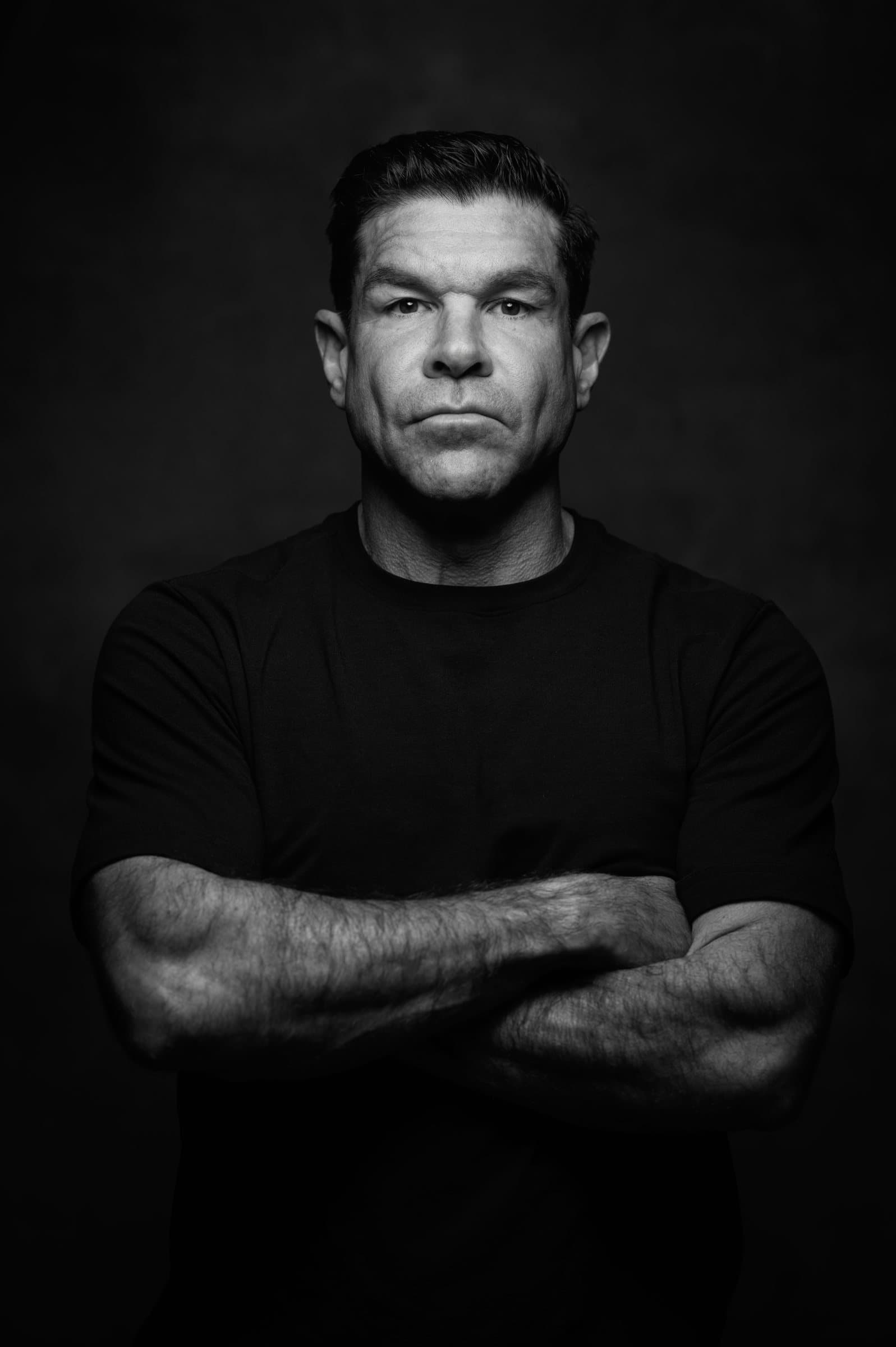
Cesalina Gracie is a Brazilian jiu-jitsu black belt, instructor and Everest climber from the Gracie family.
“You can't dictate how people feel, but you can tell them how you want to be treated.”
Summary
Cesalina Gracie first talks with Ken about speaking up when a comment crosses a line, then explains how her women-only jiu-jitsu classes pair self-defense with confidence, boundaries and breath work. She grew up in a large Gracie family, with a grandfather who had 21 children and created the Gracie Diet. At 17, she moved to London with £1,000, worked at Itsu and the first Hard Rock Cafe, and spent four years away from jiu-jitsu after a tailbone injury and a strained relationship with competition.
After returning to the mats at white belt, she opened schools with her brother, translated UFC terms and moved into producing and hosting. A producer told her she belonged in front of the camera; she pursued the Rio Olympics hosting job and went live before 70,000 people.
She recounts preparing for Everest in six and a half weeks, training for ten hours in an altitude chamber and spending 50 days at base camp. After she rejected the expedition leader's sexual advance, he canceled her Sherpa and ordered her down. A Nepali guide with a speed record agreed to climb with her, despite being told not to call for rescue. They reached the summit together, and Gracie says the experience strengthened her commitment to teaching women to protect their boundaries.
Show notes
Cesalina Gracie had never climbed a mountain. She gave herself six and a half weeks to train, flew to Kathmandu and summited Everest on her first attempt, in the deadliest season in the mountain’s history. Three Sherpas were killed in the Khumbu Icefall while the route was still being set up. But the climb wasn’t the hardest part. Waiting at base camp for the summit window, the man running her expedition sat down next to her in her tent, put his hand on her thigh and whispered something she still refuses to repeat. She pushed his hand off and told him never to talk to her like that again. When the window opened he took the other groups up the mountain and left her at base camp. Then he canceled her Sherpa, ordered her down by radio from a hotel in Kathmandu, and assigned her a 20-year-old who had never climbed Everest. She prayed in her tent for a sign. A Sherpa with a speed record on the mountain walked in, heard her out and said, I’ll go with you. They were told not to call for rescue. They summited anyway.
This week I sat down with Cesalina, a black belt from the family that created Brazilian jiu-jitsu and my daughter’s first coach. We get into a grandfather with 21 children, the Gracie Diet, a family where school is optional, moving to London alone at 17 with 1,000 pounds, four years off the mats and starting over at white belt, and why she built a jiu-jitsu program for women only. We also get into the part that never makes the highlights. Her first TV hosting job was the Rio Olympics, live in front of 70,000 people. Ten-hour training days in an altitude chamber, building Legos with frozen hands. The $250,000 VIP tents at base camp. The climber who turned around two hours from the summit and told her it wasn’t worth it. Her message to every girl and woman is simple. Never sacrifice your integrity to achieve your dreams. Hope you guys enjoy this one.
Follow Cesalina: @cesagracie
Her courses: cesalina.com
Transcript
Made from YouTube's automatic captions and lightly corrected, so a few words and names may be off. Click a time to play the video from there.
Ken Rideout
All right, today's very special guest, my dear friend and jiu-jitsu black belt, Cesalina Gracie from the famous Gracie Jiujitsu family. Also, worldclass actress, presenter, adventurer, climber of Mount Everest, the great Cesalina Gracie. Thanks for being here, Cesa.
Wow, Ken, thank you.
Cesalina Gracie
You've been my friend for years. Seeing you announce me like that, I'm amazed.
Ken Rideout
I could I could have gone on for hours about how one of the nicest people I know, but she'll also like choke you unconscious or break your arm if you step out of line.
Cesalina Gracie
Oh my gosh. You'll never give me a reason to, right?
Ken Rideout
Never. I would tell anyone about you is like she is the sweetest, kindest, most sincere person, but if you say one thing inappropriate, you should expect to be challenged on it immediately. I've never met anyone that's so like, "Why do you say that?" And I'm like, "Oh, [ __ ] Did I say the wrong thing here? But I like it.
Cesalina Gracie
Thank you for saying that. It's such a huge part of my journey and my work to just don't hesitate to speak up if something makes you uncomfortable.
Ken Rideout
That's right.
Cesalina Gracie
Because what happens is then you get home and you're beating yourself up and you can't sleep and you're like, "Oh, I should have said something. Did they mean it? Just ask them. Hey, what did you mean by that?"
Ken Rideout
Yes.
Cesalina Gracie
Just say it, you know?
Ken Rideout
Yeah. And you've done it to me many times. And I'm like, "What the hell did I mean by that? Was that inappropriate?" And I always just like tell the truth and you're like, "Okay, I'm just asking."
Cesalina Gracie
Yeah. And that's why we're friends, right? I feel like so many people get lost in the communication. So then they make an assumption and then they will talk behind your back like, "Hey, Ken is kind of inappropriate or he makes jokes I don't like." Well, have you ever told him that?
Ken Rideout
Yes.
Cesalina Gracie
And people are like, "Oh, well, you shouldn't be talking about him behind his back. You should have the courage to immediately say something and it's clear." And if they did make a joke and they're like, "Yeah, that's exactly what I mean." Then you can make a decision. Do I want this person in my life or not? And that's such a huge part of interpersonal relationships.
Ken Rideout
That's such a great point because like I'm not immune to making inappropriate comments. I probably do it a lot. But if someone said to me like, "Hey, that's very inappropriate." My immediate response would be like, "Oh my god, I'm so sorry." Like where friends, like I really love you. I would never want to offend you. So this is what I was thinking. Sometimes I do that with my wife where she's like, "You did this, this, this." And I go, "Okay, I understand that that's how you're interpreting it, but let me tell you what I meant by it.
And if you choose to not believe me and think I'm lying to you, then that's cool. But I didn't mean to say you looked I'm I'm just making up. You look big because I think you look heavy. I just meant like you look like you were lifting, you know, whatever it is. And I'm like, you're misinterpret. I didn't mean it like that.
Cesalina Gracie
Yeah.
Ken Rideout
And and then at least you can get some clarity. And like I said, she can choose to believe me or think I'm lying. But
Cesalina Gracie
Well, and also people don't know how you want to be treated, right? Like your behavior is based off of how you grew up, how you know your parents told you to behave and how you saw your friends behaving. A huge part of your personality and you want to have that freedom around the people you love. That's right. And that's why now we are in a world where it's like everything is so sensitive because people don't say what they mean or they interpret something and they just don't tell you.
And then you end up getting in this space where it's like well did you say what you mean? like you and people think oh it's a confrontation but ultimately it's like people are becoming weaker
Right like I'm afraid of conflict I'm afraid of confrontation so then I'm going to interpret it the worst way possible like
Where is this leading us to you know and I think that the more we practice to just ask the question and it also leads to everything else in our lives like you not hesitating to ask the question means you don't hesitate to jump in an opportunity means like you're always connected to yourself and your relationships will be more authentic. They will be more respectful. And with the people who are like I have a lot of friends that are really funny that will say a lot of outrageous things and you know there's never a confusion.
Ken Rideout
Yeah.
Cesalina Gracie
Like we're just always on the same page. And I think you know especially as women if we learn that you should protect your well-being first. So speak up.
Don't hesitate. Like that will transform your relationships. It's like if Tensei, your daughter, you know, learns to always put her comfort first and the minute something feels off, just say it.
Ken Rideout
Yeah.
Cesalina Gracie
Like don't go home and then ruminate on it. Like she's going to be in so many different relationships and she is going to be required to stand up for herself at some point in her life. And guess what? It's a lot easier to stand up for yourself when the stakes are really high and you're actually in a compromised or dangerous position if you're used to just speaking up and standing up for yourself in the little things every day with your siblings like with your husband. Maybe you're like your wife didn't like something you said or it's like, "Hey, what did you mean by that?" You know, and
We have this tendency of thinking you can read my mind and I can read yours, you know? So, like you should know that I feel this way about what you just said. You shouldn't know anything. There's no way you can read my mind unless I tell you. So, let's just start telling people what we feel and what we think.
Ken Rideout
Well, I will say Tensei never has any problem telling me what she's upset about with me. She's like she's like my uh biggest um uh governor. She'll be like, "Uh, Dad, inappropriate. Uh don't post that picture of me and don't do this." And but the other thing I'll say is it it's such a bummer when people like, "You made me feel this way and blah blah blah." I'm like, "I'm not responsible for your feelings. So, if you tell me that I offended you, all I can do is apologize, but I can't make you like interpret my words different than I meant them.
I You asked me for clarity. I gave you clarity if you're still offended. Like, I don't know.
Cesalina Gracie
Yeah.
Ken Rideout
Wear a helmet.
Cesalina Gracie
You can't dictate how people feel, but you can tell them how you want to be treated. Like, your daughter can actually tell you, "Hey, Dad, don't make comments about my body. You you make me feel uncomfortable." Right? So, she's telling you you maybe you can make jokes about something, but this thing, don't joke about it or don't talk about this. It's like this is a territory that I don't want it, you know, and again, you can't read her mind and you have your personality and she has hers.
And you might have experience with your other children who love to be treated a certain way, you know. Sure. Like,
So how do we measure that in our relationships? By telling people how we want to be treated. It's really that simple.
Ken Rideout
That's right. And actually, we speaking of my daughter, that's when we really first got to know each other is you were Tensei's first trainer. And one of my first experiences with you and realizing how like confident and strong you were as a woman. We were there and you were training like a couple other little girls and it was during COVID time. So we were in a backyard on mats out in the parking lot and I don't know if the other dad was there or I think most of the parents drop their kids and leave but I'm like obsessed with like watching the kids and making sure they give the best effort so much and you're like you can leave.
And I was like okay see bye Denz. I'll be back. I was like, "Oh man, I loved watching." But I appreciated that that you were like, "This is a female space, so you can leave now. We're going to talk girl talk." And you would talk to them and it was more than just jiu-jitsu training. And I I tell all my female friends and moms in LA. I'm like, "If you have young girls, they should be training with Cesalina." All I can remember is you telling the girls, "Have the posture of a champion." meaning the way you present yourself, the way you stand, the way you talk to people and where how did you develop that mindset and training technique?
Cesalina Gracie
That's a great question. I remember that day and it was awesome because you know I really did that for Tensei, right? Like I am there for the girls and the women. I'm there to protect them and to make sure that I'm providing the best possible environment for her to learn and to really absorb and experiment and take risks without feeling judged or you know everything changes when your dad is looking at you right now. Suddenly you're not really worried about how you feel or even open about learning something.
It's like how does he feel think I'm performing or you know
And I really want them to have a space that's theirs and I always say that like this time is for you. Every class is different. Everyone is ultimately taking in different lessons even though I'm teaching the exact same thing because our needs are different. So I grew up in the Gracie family which is the largest fighting dynasty in the world and I've been training since I can remember. And my relationship with jiu-jitsu has transitioned throughout the years. But one thing remained which was oh the confidence that I've learned from this the ability that I know I have to protect myself if my life is ever in danger is something that no one can take from me.
And there are very few things in life that you can develop or acquire that will follow you no matter where you are. And jiu-jitsu is one of these things. You can't buy it, you know, you can't
Rush your way through it. like it's step by step. It's a game of inches. And even though I grew up in this environment with this incredible methodology that has been, you know, passed on my family for over a hundred years, as a woman in a male-dominated space, I always felt that there were certain things that they didn't understand. There were certain challenges that I had that they didn't. And I realized that just the techniques alone weren't enough. And when I moved to London at 17 years old, I was still a teenager living by myself in a completely different country.
And I went through some experiences that I was like, "Oh my gosh, now I'm removed from my bubble in Brazil where everyone knows my family, so they respect me because of who I am and because of all the 25 cousins that will come after them if something happens." And now I'm here, nobody knows who I am. and I'm just another, you know, pretty girl walking down the street who clearly looks like she's not from here. Because one thing we don't realize is that
We are being watched all the time. And your level of confidence and comfort with where you are is perceptible in the blink of an eye. Like if I look at you at the grocery store, you know exactly which aisle you're going. Like you've been there a million times. You're just here to grab these three items. If you just moved there, you're looking everywhere. You're totally lost. You're reading the labels, right? So, as I was navigating these scenarios, I went through some really sketchy and dangerous situations in London.
And the only reason why I got away safely was because of the things I've learned. But then I also realized, oh, maybe I should have said something like when you talked about the posture of a champion, I learned that kind of, you know, just watching my cousins and uncles and how confident they were. But nobody told me like, hey, this is where your confidence actually comes from. It's not by just like roll your shoulders back and chin up. Cuz we all hear that. It's like, oh no, your posture actually comes from within.
It comes from your heart. Like literally having the courage to lead with your heart is where the posture of a champion comes from. And that's what you can carry. And that's what will change the outcome of your life. So I started studying a lot of psychology. I started reading a ton of books and I just combined what I had learned growing up with the things I wish I had learned that I just had to learn the hard way which is the importance of posture eye contact look at people in the eye when you're talking to them project your voice you know and once I understood okay what are all the skills that women have what are the things that we struggle with the most and where is you know the the greatest opportunity that we have to actually be safe.
It's on everything that happens before the physical skills that my family was teaching. It's your awareness, it's your confidence, it's your ability to speak up, to immediately set a boundary, like you said, to, you know, protect your space, to prevent a situation from happening. So, I incorporated all of that into my methodology. And then we obviously go through all the self-defense and jiu-jitsu techniques. And in the end, I do breath work in every class, which is also a practice that I've learned through my family. Rickson is very well known to be practicing breath work his whole life.
Ken Rideout
You talked about growing up in Brazil. What was your childhood like?
Cesalina Gracie
Wow. It was very intense. Um,
Ken Rideout
What do you mean?
Cesalina Gracie
My grandfather had 21 children, which means I had 20 uncles and aunts, right? So, just the family alone and the cousins um were always around. It's a big family and we are very unorthodox. My grandfather also created the Gracie diet which is a a food combining diet. He split all the foods in seven groups and then he teaches us how we can mix and match them. So everything we did was really different. Like on my birthdays there was no sodas. Like your Coke would not be allowed in the house.
I don't know if it's framed, but you know, it's like, and I remember as a kid, I'd be like, "Mom, come on. You're going to serve watermelon juice on my birthday? That's embarrassing." You know, cuz my friends never had watermelon juice. They never had like
Ken Rideout
It actually sounds pretty good.
Cesalina Gracie
It's pretty good. Um, so, you know, [gasps and sighs] it was a a constant battle between what everyone was doing and what we were doing. and what we were doing was always completely different than everyone else. And it's those things that when you grow up now you're grateful. Like I'm glad that I suffered such a brainwash against drugs and alcohol and sodas and sugar and all of these things and that it was embedded in me. That our bodies are temple. That is sacred. That you know unless you're healthy nothing else matters.
That your relationships are really important. That getting stronger. That overcoming challenges. is that showing up no matter what is really what is going to build the life that you want to live. And then my dad, my mom is actually Gracie,
Which was such a blessing, you know, because then I had a dad who was an immigrant from Italy who fled war when he was a teenager and moved to Brazil, but he had the compensation for everything that my family lacked in terms of like he was really academic, you know, he had four degrees. So for him it's like you have to go to school cuz in the Gracie family school is optional.
Ken Rideout
Okay.
Cesalina Gracie
It's not mandatory. Like nobody goes to school you know
Ken Rideout
Meaning like elementary and high school or college.
Cesalina Gracie
I think in my mom's generation like you can go to elementary and middle school you know but like I think even high school a lot of people didn't even complete it in college definitely like nobody is a college graduate
Ken Rideout
you I actually kind of like that philosophy of like cuz I don't know that school is the answer to everything. Like I don't know. Does it seem like things are going great? Like does it seem like we're on the right trajectory here that like you have to follow these rules and do this and go to college and then get to these college campuses and it's full of protests and [ __ ] and it's like just a lot of noise.
Unless you're studying like medicine, law, engineering or something that's very very technical where you need some academic background like a lot of these other things like psychology, being a teacher, I don't think you you need any like formal education to know have a calling for those professions.
Cesalina Gracie
I think it really depends on the person. I think if you can inflict in your kid selfdiscipline and selfm motivation as they're growing up, then maybe if they don't go to college, they already have that to pursue anything else. So maybe the money you're going to spend in college, they can start a business and whether that business fails or not, that's going to be a better college and they're going to learn a lot more.
But if they're not self-disciplined and if they're not self-motivated, then I think the structure of college is important because you are forced to be show up every day.
You have, you know, finals, you have assignments, you have thesis that you have to write. So then you have someone else holding you accountable. M
And most people who go to college will say like the biggest thing was networking like the people they met and then you know developing discipline.
Ken Rideout
Yeah.
Cesalina Gracie
Because they didn't have discipline. So having a structure if you're able to get to that point without necessarily going to college. I mean I didn't go to college so I have a bias in this. You know I opened a jiu-jitsu school when I was 21. And that's what my family did. Like a black belt for us is a degree. You can start a business. You can train instructors, you can scale, you can open a franchise. Like there's so much you can do. So I think every path is unique and that's what we learned in our family really.
Like there are no rules. Like what do you want to do? There's so much freedom. And that can be frightening for most parents to give that much freedom. But for us, what I can see from experience and tell you is it was really empowering. Like I moved, you know, to London when I was 17.
What made you go to London? I was actually signed up for engineering school in Brazil and I signed up for the second semester for my dad was really important that I went to college and I was like well I'm going to take six months and go to London. My cousin Roger was living in London at the time and I was modeling with Elite Models in Rio and they had a headquarters in London. I was just like I'm going to spend six months abroad to see the world.
Ken Rideout
That's cool.
Cesalina Gracie
It was the first time I've ever been on an airplane.
Really?
Wow. It was like with everything I owned in my suitcase, moving to another country for 6 months. I was literally like looking at the seat like how do I recline this? Like how do I close the bathroom door? Like
Ken Rideout
I assume you spoke English.
Cesalina Gracie
I did speak English because I grew up at a British school in Brazil called St. Patrick. So I actually had a British accent at the time.
Ken Rideout
Oh, really?
Cesalina Gracie
Yeah.
Ken Rideout
Oh, that's funny.
Cesalina Gracie
Super thick.
Ken Rideout
Was your Was your Was your dad a jiu-jitsu guy?
Cesalina Gracie
He was a jiu-jitsu guy as a hobby. like he never worked with jiu-jitsu, never made money through jiu-jitsu, but he still trains. He's a red belt actually.
Ken Rideout
Oh. Oh, so he's an elite jiu-jitsu guy. He didn't make a business of it, but he was a highle jiu-jitsu guy.
Cesalina Gracie
And he competed until he was like in his 70s.
Ken Rideout
So when he met your mom, he was already like he knew the Gracie family. He was a jiu-jitsu guy himself.
Cesalina Gracie
He was training jiu-jitsu. He saw my mom at a tournament and you know he had the same effect cuz at the time like everyone knew who my mom was. She was like a Barbie doll. My mom is like blonde, blue eyes, super fair and yeah she was a ballerina.
Ken Rideout
Is she a black belt?
Cesalina Gracie
No she's not but she actually lived with So there are two brothers. Carlos is my grandfather and Helio who was the youngest of the siblings.
He was the one that taught you know all of Carlos's kids and like he was the teacher of the family. Yeah.
And she did all of the self-defense demonstrations with him on like TV, you know, on stages and she would wear like high heels and dresses. So, she was like my biggest motivation to start this cuz like she did a ton of self-defense. But at the time with women, like once she went to blue belt, but once you learn the full self-defense curriculum and maybe got your blue belt, you're done. Like they would literally tell you like, "Hey, you you don't need to keep coming.
Ken Rideout
Like you don't need to train." So back in back in her generation like women wouldn't get black belts.
Cesalina Gracie
Never. Women weren't allowed.
Ken Rideout
Who was the first female black belt?
Cesalina Gracie
Kyra Gracie.
Ken Rideout
Oh, Kyra. She just and she just retired. Like she's like our age.
Cesalina Gracie
Yeah, pretty much.
Ken Rideout
That's crazy.
Cesalina Gracie
A few years older than me. She was the first woman in the family, which is crazy.
Ken Rideout
That is crazy.
Cesalina Gracie
And she had to fight in order to fight. And she always talks about that how multiple times multiple uncles like had serious sitdown conversations with her like, "Hey, you've gone far enough. Like this needs to stop."
Ken Rideout
Really?
Cesalina Gracie
Yeah.
Ken Rideout
That's crazy.
Isn't it crazy how the mind works? Cuz a guy now like our age would never think to say that.
Cesalina Gracie
I know. I think it's two things. One, it's a reflection of what society was like at the time and how society viewed women. And on top of that, how fighting was seen, you know, and I can understand that aside was to protect women like, hey, this is too aggressive. Um, you know, you want to have children and like, you know, you shouldn't do this. And at the same time, there was always that side of like the men got it, we got it, like you don't need to, you know, but that like we got it, what does that even mean?
You know, she's literally like it's her and Roger, they have the most number of titles in the family. So like from all the champions in the family, especially from her generation, right? She never fought MMA, but in jiu-jitsu, she has eight world championships, three ADCCs and five IBJJF. So it's like she's the biggest champion in the family. So talk about like, you know,
Ken Rideout
It's funny though when someone's like, "I got it." Like you got it. What do you What do you got when you're not there and I'm alone?
Cesalina Gracie
Thank you. Exactly.
Ken Rideout
This is what I tell everyone and I wish I I wish I was more into jiu-jitsu and knew a little skills but having now watched my son Cameron do jiu-jitsu and having a lot of friends that are into it. I'm like if you god forbid get into a fight with a black belt in traffic in the street like just surrender cuz once they get a hold of you I don't care if it's a woman if they know jiu-jitsu and you don't you're dead with enough time you're dead.
You might be able to power your way through a few minutes. You're not going to get them, but it's just a matter of time before they eventually break you down.
Cesalina Gracie
Yeah.
Ken Rideout
It's It's inevitable. And all you have to do is just go to a jiu-jitsu class and take one class with a blue belt and watch what happens.
Yeah. I mean, you can go into jiu-jitsu school and you'll see 13-year-old girls like, you know, wrapping up guys like a pretzel. the girls. By the way, I was telling I was talking to Eric Anders who was played football at Alabama and then was uh went to the UFC at 20, started training at 24 and fought in the UFC and doing jiu-jitsu and and um he now has a jiu-jitsu school in Alabama. And I was telling him when my son Cameron was training, the girls, the little girls, sweetest little girls, they were the most dangerous.
They were like they had no fear. One girl in particular, she would pull guard every time and he could not get out. Every time he'd get out, she'd grab his ankle, do this, and I'd be like, and he'd get so frustrated. He'd come out. Sometimes he'd cry and I'd be like, "Dude, this is what life is. You have to figure this puzzle out. She's going to keep doing the same thing to you until you figure a way to stop it." So, we have to like, "Let's watch some videos." And she was such a nice kid.
But it was like, it was a good experience for him at like 8 n 10 years old to realize like, you're not special. Like don't think that you can intimidate someone with your attitude and mentality because if push comes to shove and and people have to put hands on each other, you need to know some basic skills.
Cesalina Gracie
Yeah. And I love that because on top of learning to respect girls and women at a young age that he is,
Jiu-jitsu makes you experience the full spectrum of emotions. You know, he's going to get home frustrated. Some days he's going to be super proud and excited and think he did great. Some days he'll think he's just not fit for it. You know there will be struggles, there will be teamwork, there will be camaraderie there like you are experiencing literally every emotion that you're going to go through in your life as you. So if you can experience that in a safe environment where you chose to put yourself there and you can go through it over and over and over again, then how is life going to shake you?
Because like it's literally a way for your body like you're stuck here
And the more desperate you get the worse it becomes cuz now you're getting tired now you can't breathe so you really have to learn to be calm under pressure and for women it's like it shows you how capable you are because even in society right now like women have advanced so much we have so many women CEOs like we are leading in so many different fronts and even though my program even is for women only. I always say like this is a movement in favor of women.
It's not a movement against men. Like we need to do it together. You know, it's we need your support and like we want good men in our lives.
You can't run from the statistics of what women face.
But when we go into the physical aspect, women feel like inferior or they feel vulnerable compared to a man. And when it comes to strength, it is really hard to say that we have the same strength as a man. You know, like we don't. If the guy is the same size, same muscle mass, same everything, your bone density is higher, like it's just biologically it's different, right?
But jiu-jitsu lets you use technique like leverage. Like this little girl, like she grabbed your ankle, she put a foot on your hip, she flipped you, you know, she bend your arm this way, she arm barred you. She crossed her tiny little wrists on your throat, you're choked. So it allows you to see how capable you are without relying on strength. Like I it's not about I need to dominate you, right?
It's like I'm protecting myself and when I find an opportunity, I'm going to go. Like when your son is wrestling this girl, she's not going crazy all the time. She's kind of just managing. He's trying to push off, open the guard, and then he exposes himself
In one moment and she capitalizes on the timing. She uses leverage and she goes, right? So, it's so important for women to develop that ability of wait for the opportunity, like keep working, be there, show up, and when the opportunity presents itself, you go all in. Like, that's your timing. You decided it's your timing. You're not waiting for someone else to provide you anything. Like, you go and take it and you realize that you are capable of so much more than you ever thought you could.
Ken Rideout
So, I interrupted you earlier. So, you get to London after for 6 months. You show up with your suitcase and you're staying with your cousin Roger.
Cesalina Gracie
I'm staying with my cousin Roger for the first month. I showed up in London on a Thursday. And his wife at the time asked me, she's like, "So, how long do you want to hang out in London and travel, you know, and let me know when you're ready to start working." I was like, "Oh, I can get a job right away." And she's like, "Okay." Then she goes away. She comes home that day at 5:00 p.m. She's like, "You have a job interview on Monday." And I was like, "Oh my god, that was really fast." And I did the job interview and I started working the next day.
So I literally wasn't sitting around at all. You know, I saved money in Brazil. I was working with my dad. I saved money. I bought my own flight and I had £1,000 in my hand and I was like, "How long can this money, you know, how far can I go with this money?" So
Ken Rideout
What was the job?
Cesalina Gracie
I was a hostess at a Japanese restaurant called Itsu.
Okay. And I worked there for I want to say like three or six months. And then I I made some friends that were working at the Hard Rock Cafe. Then I got a job there as a waitress and I made so much money there. It was insane. Oh my gosh. I I rented an apartment by myself. I was living alone. I was like I was working doubles four days in a row and then traveling for 3 4 days like going to Paris, going to Barcelona. I just like I had just turned 18.
I couldn't believe like I was making so much money. Like we had like a 2 and 1/ half hour waiting list every single day at that restaurant. It's the first Hard Rock in the world. It's like a tourist destination at Hyde Park.
Ken Rideout
So Oh, at Hyde Park. Yeah.
Cesalina Gracie
And it was like it was such a crazy time where it's like
Ken Rideout
Oh, I remember. I know exactly where it is. Right near the Four Seasons. Like kind of right near the Hyde Park Corner.
Cesalina Gracie
Yeah, it is. It's on Hyde Park Corner. They have the the Hard Rock Vault, like the vault next door, which is like a museum. So, they have like the whole thing. And it was so fun, but it was crazy. Now I look back and I'm like, "Wow, I was literally working from like 400 p.m. until 3:00 a.m. then riding the bike from Hyde Park all the way back to like South Kensington Fulham Broadway. I can't believe I had that much energy. I was like, I don't know where I was getting all that energy from, but
Ken Rideout
Nice to be young."
Cesalina Gracie
But I mean, you're just putting yourself out there, right? And that is the thing which is the same if you're sending your kids to college or if you're moving abroad. It's like you suddenly are in charge of everything in your life. Like imagine you're a parent, you're sending Tensei to college in a few years. It's like she is making every single decision on what she's going to eat, what time she's going to bed, how she's going to spend her time, who she's going to spend her time with.
It's a lot of freedom at once and it's really overwhelming. So, when we were talking about the importance of having freedom when we were growing up, it's that you have less of a gap when you are exposed to that level of freedom because now you're on your own. So, can you stand on your own two feet or are you going to go through a ton of freaking trauma to realize, oh, that's not the way to go and that's not the way to do things. And even when we talk about whether it's jiu-jitsu or a different sport, but for me obviously it was jiu-jitsu and the way my family did things was the greatest benefit was really the mindset behind it.
Like I grew up thinking I can do anything,
You know. So like the first time I ever got in an airplane was like to move across the world and never go back home. Like the first TV hosting job I ever had was to host the Olympic Games with the IOC and to go live on stadiums with 70,000 people. Like the first mountain I ever climbed was Mount Everest. Like I have so many like gigantic firsts that most people would absolutely freak out either decline the opportunity, not pursue it, sabotage themselves as they go. And what's the difference?
It's like it's 100% mindset. Like our skills are transferable. And if you believe in yourself, you do the work, the skills you build in one area, they're actually developing your character in a way that you're going to show up. Just like when you did your your ultra marathon race, it was like your first one and you just showed up and you did it. Exactly.
You know exactly what I'm talking about.
Ken Rideout
So when you were in London,
How did you how did you build a career as a TV presenter? Like what was the what were the what was the progression there?
Cesalina Gracie
That was when I moved to LA. Actually, when I was in London, I was just like I stopped modeling even like pretty soon. It was a really toxic environment. The modeling industry in Brazil compared to London was like
Night and day. in so
Because in Brazil I was like doing runway for like
You know different brands and jeans and like bikinis and athletic you know uh active wear and like Brazil was launching like New Jersey and stuff like when I got to London London was like totally high fashion.
So the agency was measuring like my hip my hips every week. Yeah. They would ask me to come back every week. They were telling me what to eat like crazy diet. like I would become anorexic, right?
And I remember like
On my third visit there, I was like, I'm never coming back here.
Ken Rideout
Yeah.
Cesalina Gracie
You know, cuz these people like they won't stop until they get me sick.
It's crazy. It's like this is my bone. Like it's not I was never overweight. It's like I cannot get any skinnier than I am right now. They're they're looking for a hanger. They're not
Ken Rideout
You know who they were dealing with.
Cesalina Gracie
Yeah. I mean, you know, I was out. I was just like, "Yeah, that's that's just not going to happen." But that's what they do to everyone, you know. So that's why I got, you know, quickly I got different jobs and it was the best thing ever because to me my priority was get strong and healthy.
Ken Rideout
Yeah.
Cesalina Gracie
Anything that gets on the way of that it's just not worth it.
Ken Rideout
And you train in jiu-jitsu while you're there.
Cesalina Gracie
So that was the thing during this period. I did not step on the mats for 4 years.
Ken Rideout
No way.
Cesalina Gracie
It was the longest period of my life. And part of me moving to London, I was just so fed up with jiu-jitsu. I was almost like having an identity crisis, which is like, you know, who am I without this thing that I've had my whole life, you know? It's like,
Ken Rideout
And what belt were you at that point when you went to London?
Cesalina Gracie
I mean, when I was 17, technically I I started from scratch. I put my wipe out on when I went back to
To LA.
Ken Rideout
No way.
Cesalina Gracie
Yeah. In 2012.
Ken Rideout
Really?
Cesalina Gracie
Yeah.
Ken Rideout
But you had a whole childhood of jiu-jitsu.
Cesalina Gracie
I did. And I went up to yellow belt, which is what you would call a yellow belt, you know, which, you know, if you're a certain age, then you can get
Ken Rideout
Up to 16. You have like uh gray, yellow, orange, green, or green, orange.
Yeah.
Cesalina Gracie
When I was 13, I started modeling in Brazil, which meant like I started training less and less and less. So, from 13 to 17, like, you know, I I had a really bad injury at a jiu-jitsu tournament cuz my dad forced me to compete.
Ken Rideout
Really?
Cesalina Gracie
Yeah. And that was the biggest turnoff for me with jiu-jitsu. Like I broke my coccyx, my tailbone
Ken Rideout
Really.
Cesalina Gracie
And I immediately had a seizure cuz apparently like the liquid went back up to my brain like he ran up my spine. My dad was freaking out. And I remember flashes cuz I was like I kept passing out. I remember flashes of him like running through the arena with me like on his arms screaming like, "Call an ambulance. Call an ambulance." Like he was freaking out, you know? And as I started recovering, he was just like, "You have to train again." And he would immediately sign me up for other tournaments.
And I kept having like traumatism on top of the injury that wasn't healed.
And I remember that gate left such a bad taste in my mouth because for him like it was so much about like performance and like really pushing through. And I just I never liked the pressure of competition.
Yeah. which for me like I have no problem with like pushing myself with dealing with pain with being in like inhospitable environments but that pressure of like having to perform and looking at him in the bleachers and him like screaming from the top of his lungs and I'm just like I just couldn't understand like why are we doing this you know like what am I gaining from it like it my heart was just never in it.
Ken Rideout
Did you use the posture of a champion to tell him I'm not comfortable with this?
Cesalina Gracie
I did not use the posture of a champion. I was just like rebelling and yelling and refusing and he would literally like drag me by the arms like into the arenas like you are like I signed you up. You're competing. I just hated it. I hated with everything I got. So whenever I was old enough to like really put up a fight, you know, and my dad got busy and busy like then I just started training less and less. And I think part of my attempt to move to London was just like to walk away from all of it and to figure out like who I am, what do I like to do and what am I good at?
Like how do people see me if I'm not attached to jiu-jitsu or to this family, you know? And it was funny cuz for a long time when I was living in London, I didn't use the Gracie name. I was Cesian Dangelus. And I just wanted to see like do people respect me? Do people like me? Do people want to be friends with me? or they just have some ulterior motive and they're going to ask me to FaceTime Hoist and ask me if it's like all the time like you know
Ken Rideout
In the whole time I've met I've known you I I've never met Hoist and I can't think of ever thinking like Cesalina introduced me to Hoist. I'm like I know Cesalina. What's that have to do with any of the other
Cesalina Gracie
People asked me to FaceTime him all the time. I did introduce him to Lar because I knew they were going to get along and they became best friends which I'm so happy.
Ken Rideout
They're like almost the same people.
Cesalina Gracie
Exactly. And there has been like instances where there was someone at the house and they would ask Leard a question and they would ask uh Hoist the same question in a different environment and they would give the exact same answer and we would just be like laughing.
But yeah, it was a period of my time I mean imagine you're 17. You like I was making money. I was I had all the freedom in the world and I just like I really wanted to find out who I was like what do I like? Do I want to pursue a life? And I think part of it was I saw it in my mom that she sacrificed a lot for her family. A lot of her dreams weren't encouraged by the family either when she was growing up cuz she was amazing at jiu-jitsu.
Like she was so talented.
Ken Rideout
Do you have a role with her?
Cesalina Gracie
No.
Ken Rideout
Wouldn't that be fun?
Cesalina Gracie
It would. Well, I mean now she has like herniated discs and I don't think she would deal with
Ken Rideout
You'll take it easy. You won't break her.
Cesalina Gracie
No, but she keeps telling me. She's like, "Oh, I've been watching all your videos and I'm taking your course and like I wish you were living here so I could take your classes."
Ken Rideout
Oh my god. That's exactly what my wife Shelby said when you came in the house. She's like, "I wish you lived here so we could train together."
It's funny because I think that if you were here like when soon as soon as we moved out of LA, Tensei was like we I signed them all up for jiu-jitsu. They all went to the same all four kids.
Cesalina Gracie
Tensei went too.
Ken Rideout
Yep. They I made them go. I said, "You don't have to like it, but you have to try it." And she tried it and after a month she's like, "Dad, I do not want to do this." And I'm like, "Well, I know that feeling of having your dad screaming in the stands because my dad did that shit." And I was like, "Do your own [ __ ] activities." Which is kind of why I have my own activities that I don't need them to like win for me.
Although your dad sounds like a highlevel jiu-jitsu guy. It's just like I know the burden that can put on a kid when you're trying to live vicariously through them. and you see your children and you'll see when you have kids that you it's hard not to view them as a reflection of you like my kid did what good or bad. Yes, Cameron scored a touchdown or Luke ran a fast race. I feel so proud. But the minute it's like why is he hurt and crying? Come on.
Are you really hurt or are you just like like do you have a real injury or did you just hurt your leg? You know what I mean? And it's like he's his own person. Like he's not me. He doesn't have to be
He can be tougher, less tough. It doesn't, you know what I mean? He's him. But as a dad, you're just like, how does that reflect on me? Good to bad. And I catch myself doing it. And I'm like, it's hard not to beat myself up. I'm like, go [ __ ] stand over there by yourself and mind your business. And I just offer I try to and I offer encouragement, but like when Tensei is playing the cross, I'm like, "Come on, Tensei." And she'll be like, "Dad, stop cheering." I'm like, "I'm just encouraging.
I'm not coaching." And she'll be like, "Don't yell for me." And I'm like, okay, it's very
Cesalina Gracie
There is a level of pressure that comes with that that somehow I mean the encouragement the encouragement is great but the encouragement is literally just your presence, right? Like you being there because
The screaming like we can see your facial expressions and it's telling us you're frustrated with what we're doing, you know, and it's a lot to manage. I mean, for some kids it might work. I don't know. I think that
Ken Rideout
I don't think so. I don't think it's good for any of the parents to be screaming and yelling, including me. And when I do it, I get so down on myself. I'm like, "You are an idiot." Even if he does something good, I'm like, "Yes, Cameron." Cuz he's the one who's playing football right now, so why he's the point of reference. But I mean, when Luke is running, I'm like, "Come on, Luke." In the last mile, I'm like, "Go now. Go, go." I'm like, "I'm an idiot." I I I know I am, but I'm like, "I can't help myself.
I want so badly for them to have a fun experience." And I always tell them like, "Listen, you know what's really fun? winning. My my older son is like, "It's not it's not fun running and going to practice." I go, "I know."
But you know what is fun? Winning. And the only way you can win is to do the things that no one else wants to do. Train more.
Cesalina Gracie
Do you feel like with some of your children it that's helpful and with some of them you're like, "Yeah, with this one I really have to hold myself back."
Ken Rideout
100%. They are all wildly different. It's like four different jigsaw puzzles honestly to a certain extent. I mean, you know, they all would probably be like just shut up and watch. So, they none of them probably none of them like that. But
The little one definitely wants like encouragement afterwards and like talking about it and hey, when you do this, did you see when I did this? And and I think the better their experience that that they're having at each sport, the more involved they want me. And if they're frustrated and having a hard time, like Tensei doesn't want me to do anything with lacrosse. She's just like, "You don't even know how to play lacrosse." And I'm like, "That's a good point. I don't, but I know effort and I know who's trying and who's not."
Cesalina Gracie
I think when you like as a parent yell at your kid or try to coach them from the outside, it just takes them out of the present moment.
Ken Rideout
Yes.
Cesalina Gracie
Cuz now it's like now they're paying attention to you. Now they're listening to you. And in return, they actually perform worse because now they lost the focus on what they were doing. Like
You're really not going to make them run any faster or apply the trick on that moment because you were screaming like, you know,
And it's I see it all around like I've had to ask so many parents to leave, you know, because I will not allow because that also puts a pressure on the other kid.
Ken Rideout
Yes.
Cesalina Gracie
Where it's like, okay, you have one parent yelling for their daughter. How does the other girl feel? She feels like now she's fighting the girl and the dad on the outside, you know. Yeah.
But if anything, it's like
I think the word is the work is done before and after. Just like when you prepare for a race, you're going to do the work before y
And then you're going to perform and then after you can take inventory of it and like adjust, you know, but in the moment
Just let them be. Let them do it.
Ken Rideout
Nothing is harder as a parent in my experience than watching your kid compete in a combat sport, whether it's wrestling or jiu-jitsu for children. Wrestling was the hardest thing I've ever had to do is watch him wrestle cuz you know I tell people all the time like when you go to jiu-jitsu and you're new you are going to know what losing feels like every single day for a long time before you get to win. And even when you're at the highest level that's part of the experience.
A [ __ ] I made a mistake. I got caught there. So it's constantly win or lose on every like role. Right. In wrestling when he was new we went to one tournament where it was like beginner tournament and he did really well and lost in the finals to a girl and you could just I could just see the girl. I'm like, you could see how experienced she is. I'm like, oh my god, hopefully his strength will outweigh this, but strength very rarely outweighs experience and technique.
And that was no problem. He was pissed, but he was like, okay, you know, he had no from jiu-jitsu, like don't underestimate girls. Like the girls with good technique are as good as a super strong athletic boy. Then we went to an experience tournament the next year and it was like over before it started and he was like, I want to get out of here right now. And I had to sit down and say to him, "Buddy, there's hundreds of kids in this gym and every single match there's a winner and a loser, every single loser gets up and gets ready for the next match.
We can't lose and then just tuck our tail and leave." You're learning every time. Did you learn something there? Even if you didn't know what that kid just did to you and like cradled, put you in a cradle and pinned you instantly. Now we know, okay, watch out for that. Don't underestimate this guy. Like he's super experienced. Don't expose yourself here. It was so hard. It was like It was all I could do not to cry myself because I was like I was heartbroken for him, but I was like, but we cannot leave out of principle.
We have to get it back up and get to the next one. So, guess who the next match is against? Another girl. The first one was a boy. The next one was a girl. And I'm like, he's dominating. He's doing great. You could tell she's experienced though. One move, wrong move here, there. Boop, boop. She catches him and pins him. And it was like, and he was like, that's it. I'm leaving. I was like, it was so difficult because I fell for he wanted to win so bad.
And I think it was amplified by the fact that I was there. I think if I wasn't there and my wife took him, he might have had an easier time with it. And and then of course then I feel like I'm like in a shame storm all day cuz I'm like it's my fault that he's like feeling like this. And I'm like I
You know what it is? You'll see when you have kids, you're just trying to do the best you can. And every time you make a mistake, you're like,
"Oh, please God, let me go back and undo that." Yeah,
But there is no going back.
Cesalina Gracie
Do you feel like you or Shelby are more concerned about like
Not letting them suffer?
Ken Rideout
That's a good question. I definitely don't want them to feel that defeated,
But I try to focus all the time, especially on something like that. I'm not naive. I know like we're probably going to get destroyed here cuz but I So I always try to focus on like just try your best, man. Everyone knows what effort looks like. You don't even have to know what sport someone's playing to sit in the stands and look at which kid's trying the hardest. And without knowing anything, you'll be like, "Oh, that kid really wants to win."
That's all you can ask for. That's the only thing you can control.
But you can control that.
The rest of it is whatever's going to happen is happen. And if you have to view it like as a kid, like I'm not losing, I'm just learning this. And I always say to them, dude, this isn't high school. This isn't college. You're not professional athlete. This doesn't matter in the grand scheme of your life. How you react and how you show up matters. Whether you win or lose this match, it isn't going to matter. Yeah, I'd like to win everything I ever do. But if you could show up at wrestling or jiu-jitsu and win right from the beginning, then why would people keep going back if some beginner could come in and just dominate?
I said, that's what's so great about these sports is
When you see someone who's really good, you know that they've been through what you're going through right now.
They've come here and been beat up a lot and never gave up. learned the lesson, absorbed it, learned, applied the technique, and now you can't do anything with them.
Cesalina Gracie
I wish more parents had that mindset because one thing I notice is that parents will let the kids decide if they want to continue or not. Like, oh, I don't want to go anymore. And it's like you as a grown-up wake up multiple days and you're like, I don't want to go to work today. How do you let a kid make that decision? Because it's one thing like sure you don't need to maybe force them to compete or force them to reach a high level but they need to be enrolled in something because that process of going through you know frustration of just showing up when you don't want to that's what prepares you for life and so many parents like oh we're going to take a break you know she doesn't want to do it right now and it's like of course she doesn't do you think I I felt like coming to teach today [snorts] I love teaching and I teach six days
A week and sometimes two out of those six days I don't feel like going. I look at the clock I'm like, "Oh, it's such a perfect day. I wish I could go surfing right now, you know, but I have a class and I'm going to be at." So, it's just
If parents realize that what sports are doing is building the mindset for you to do what you have to do no matter what.
Yeah. Because when you are put in a circumstance where everything is lined up against you, that is the differentiation like between someone who just never approaches something in life because I'm so big on self-sabotage
Because I just see it over and over and over, right? And I try to like study and understand what makes someone sabotage themselves because it's always like when you're the closest to what you want it to be, you just sabotage yourself. And like I told you, I'm like the queen of firsts, right? Like the huge firsts.
And it's like those things that I look back and I was like, "Oh my gosh, I can't believe it." Like, you know, the director is calling me live at the Olympic Games like five, four, three, two, one. And in my head, I'm like, "Holy moly, does he have any idea who he just hired?" Like, this is the first time. I didn't even know that's how they counted to go live. I'm like, "Oh, he just went quiet on the 3 2 1." Yeah, cuz he doesn't want the audio to interfere when you're live.
And I was just like I was so prepared. I was taking classes and all these things. But in the end, preparation only takes you so far. You really learn in the arena. It's like if I mess up right now, there's no cut.
Ken Rideout
I just got to go through it.
Cesalina Gracie
And
What allows you to get there? It's just your mindset. Like your self-belief, your courage to show up like is something that nobody can do for you. You can put your kid in the best schools. You can prepare your kid like get the best tutors. you can live in the best neighborhood, you can do all of that. Like you said, at some point you're not going to be there. You can't be happy for them. And if people realize that happiness actually comes from realizing what you're capable of like every time you achieve something, even if you struggle like, "Oh, I don't want to go." Like, and that's what I see with so many girls that the parents are like, "Oh, she doesn't want to come." And I always tell her, "Can we go through the class today?" And then if at the end of the class, we're going to sit down again.
And if she tells me, hey, I actually did the class, but I want to quit. Then you quit. And I haven't had a single student who after the class said, yeah, okay, I did this today, but I really I don't want to come anymore. At the end, they all have smiles like from year to year, they're super excited. And the reason why they don't want to show up a lot of times has nothing to do with that practice. They're tired. Of course, they'd rather watch TV at home.
They'd rather play video games. s they rather go in the backyard and play with the dog and do nothing because we are wired to resist effort. Like we are wired to resist struggle and discomfort,
But how you feel after afterwards is incredible. And I understand that a lot of parents want to prevent that level of quote unquote suffering from their kids, but you are actually setting them up for so much suffering in the future that if you had any idea of actually the detriment that you're causing in their life, you would have the strength to say, "Hey, this is why we're doing it and you have to go." And then maybe let's have that conversation afterwards. And it's just a reflection often from parents who didn't, you know, have someone else who do that for them because I've had also moms that told me like, I resent my mom.
I have such a hard time sticking to anything because she just let me quit every single sport I enrolled in. So, I think it's a fine line and it's obviously make the decision for yourself. I'm grateful for my dad that he made me stick with it. I don't think forcing your kid to compete is necessarily, you know, the best thing because then it's a personality thing. It's But you have to show up no matter what.
Ken Rideout
How did your mom react when your dad would drag you to the tournament?
Cesalina Gracie
She would try to talk to him, but she
Ken Rideout
And would you tell her mom, "Please get me out of this."
Cesalina Gracie
Yeah. She's like, "Honey, [sighs] your dad signed you up. You know, I don't know."
Ken Rideout
He already paid for it.
Cesalina Gracie
Yeah. I mean, we're all going anyways. And at the time I remember he opened a a fight shop. So we were at every tournament. That was the problem.
Ken Rideout
What's the fight shop?
Cesalina Gracie
Like he was just selling geese and t-shirts and rash guards and like you know he was just like we were always at tournaments anyways. He was like might as well make some money. It was like a side business. He's an accountant and a lawyer. Like it was never a thing but like we're there anyways. Let's like set up this shop. So we were at tournaments anyways.
Ken Rideout
How many siblings do you have?
Cesalina Gracie
Three.
Ken Rideout
What are they?
Two older brothers and a younger sister. And are they all jiu-jitsu practitioners?
Cesalina Gracie
No, one is a jiu-jitsu teacher. One lives in New York. He's a financial analyst at a hedge fund. And my youngest sister is a singer.
Ken Rideout
A rapper.
Cesalina Gracie
A rapper. So
Ken Rideout
Such a diverse background.
Cesalina Gracie
I know. And it just comes to show you like you can't really predict your kid's future. Like we all grew up in a jiu-jitsu family, you know. And
Ken Rideout
Did your sister practice too?
Cesalina Gracie
She's a purple belt. Yeah.
Ken Rideout
Okay.
Cesalina Gracie
But my brother, like we own jiu-jitsu schools together. That's why I moved to the US because of him. You know, we had a franchise. We had 12 schools across the US and like
He was kind of fed up with it. You know, I knew he wanted to do something else and I was that's when I started working in entertainment. You asked me about um TV hosting. I started working with the UFC and like just meeting producers and like doing rundowns for shows and learning everything about it and signing up for classes and we just kind of developed different interests and we parted ways and like he moved to New York and has been in finance for a long time and yeah just I think life goes on you can't really choose what your kids are going to do or like force them to stay in the family business like you need to find your own purpose like I really found my purpose with teaching girls and women.
And it was a struggle because a lot of people told me like, "Oh, you're never going to be successful. Women don't want to train. Women don't want to learn
Because maybe they would meet your wife and they're like, "She's never walking into jiu-jitsu school in Nashville. Like, she's not going to do it." You know, and that's the feedback I would get from everyone in my family. Like, women don't want to train. I was like, "No, you don't know how to teach them. You haven't built an environment where they are celebrated." Cuz if I felt like this growing up, imagine how women who know nothing about fighting feels. I never walked into jiu-jitsu school and felt like, "Oh, this was built for me.
Like, I'm being celebrated here." No, I'm like tolerated. It's like, "Oh, cool. She's here. Yeah, you can learn. You get to learn. Like, you get to roll with us,
You know?" But they don't change their behavior because we're there. Like, you know, it's always like little conversations that shouldn't even be happening. And you're just like, "Okay, well, not really an environment that even the guys who train don't feel comfortable sending their wives to the gyms that they train at. So like what does that tell you?
Ken Rideout
So when you move back from London, you go to LA and and you and your brother start opening schools and then you eventually get into the producing and TV hosting through connections with the UFC.
Cesalina Gracie
Yeah, I started working as a translator. I have I had friends that own production the production company that did all of the UFC shows at the time before UFC was sold to WME. So they did Road to the Octagon, The Ultimate Insider, you know, like pretty much everything you can imagine that the UFC was producing. Embedded, like we started the YouTube series together. Actually, I produced a lot of embedded like the McGregor Aldo fight. Like I covered all of it. And I started as a translator
Because they had like a translation agency, whatever in New York that was literally translating everything. So like a rear naked choke in Portuguese is called Kill the Lion.
Ken Rideout
Yeah.
Cesalina Gracie
So like the subtitles of everything were just grotesque and fight fans were just like hammering them like this is ridiculous. You guys don't know what you're doing. So I started working as a translator
And [snorts] I'm just curious. I would ask questions. So I some of the fighters they had a hard time booking them. So they're like can you help us reach this guy and like set up the interview? So I started producing. And then when I was there it's like oh do you want to ask the questions and conduct the interviews? you know more about it than us. So I started asking questions off camera and then I was producing a show with Kieran Portley who was two times Emmy award-winning director from ESPN that UFC brought him in.
Ken Rideout
Yep.
Cesalina Gracie
And he was the first guy who looked at me. He was like you need to be in front of the cameras. And I was like please [snorts] I have no interest. And he was like and that's why you need to be in front of the camera.
Like because you're there for the story like you want the stories. You're curious like all the questions you're asking. They're great.
And he was like I'm going to train you in everything. So in his show, I started running timing ads. I started doing the the rundowns. I was working on the teleprompter. He was literally like, I'm going to transfer you between departments every few weeks so that you know if your teleprompter guy screws up so that you're prepared on everything that's happening behind the cameras, start studying. So then I signed up for a class in Santa Monica for TV hosting. And my teacher was like, "Hey, there aren't they hosting the Olympic Games in Rio?" I was like, "Yeah." He's like, "And you're not working there.
You're not covering it." I was like, "I would love to. How do we do this?" You know, and that's when I talk about self-sabotage. Most people like they never got paid to do a TV hosting gig. They'd be like, "Oh, no. I'm not ready yet." And then he'll be like, "Oh, okay. Well, let me know when you're ready." Right? Like, and I was like, "Yeah, why am I?" And he was like, "Oh, Christine Nicole is actually a really good friend of mine. Like, we went to college together.
I'm gonna hit her up to see if they already hired a host." And I was like, "Great." and he helped me like write my bio, get my materials together. I shot a real like at my school and I got the job which was crazy. Like it's a long story. It was very full circle cuz they hired a local production company in Brazil as well, which they have to when it's the Olympic Games, you have to hire local teams. And that production company in Brazil is actually a production company.
I was pitching a show that I put together with the UFC and I was trying to sell it. So they both like ended up getting my name and I booked the job. But that's what I mean like I just immediately went for it. I was like how do I get it? You're right. Like Olympic games in Rio, I should be there, you know? So it's just like I think that energy of like when you hear an idea, when you hear a possibility, we all experience fear like you get that butterfly in your stomach like oh shoot like can you imagine?
But most people go like oh but that's too much. That's too big. That's too far. Like I'm not ready. like we just start telling ourselves you get into like this negative spiral of like this is not for me maybe in the future I need to take all these tiny little steps first and it's like why who said it like we carry so many beliefs from like who
Who said you need like
Trust yourself like it's just show up with confidence like you've been putting in the work you I know everything that's happening behind the scenes I've been taking these classes for a year like where we are going live we're doing all these things what's the difference between being this classroom or being at the moment now with 70,000 people just roll the camera.
Ken Rideout
I think that that's like a a superpower for people that get things like that where you're like other let's say women who are trying to be in that space like how did she get that job or I spoke to the Boston Bruins. How did you do that? I'm like when they called and asked me to come speak to them I was like oh my god I'm going to try out for the Bruins. Like that's the same vibe I had of like I got to get my [ __ ] together here.
It's like, but I think on the outside, people see things like that happen to anyone and they're like, "Oh, of course that happened to them. They're so lucky." I'm like, "Uh, I'm like the least lucky person in the world." Like, I've tried my hardest to do everything, but I always say yes to everything. Hey, are you available to speak this day? Yes. How much is it? Here's the rate. Our budget is $100. I'll take it. Cuz now I'm just like, "Okay, practice rep."
You know what I mean? In the early days, that's what I would do. I would take anything. Not because I was desperate, but because there is nothing that prepares you more than reps. Doing a podcast, host 20 podcasts, and by the 30th one, you're going to be much better than you were on the first one. And I try to look at these shows now and like, am I getting better at this? Like, what did I do wrong here? I have a hard time watching myself and listening to the show.
But I look at it and try to be analytical and be like, how can I get better? And I think that's the difference with a lot of people is like you say, self-sabotager. That could never happen for me. I could easily talk myself out of a million things like going to the Gobi Desert and running in Mongolia. I'm like, I have no business being here. I don't even know what the hell I'm doing. Much less coming here and winning. You know what I mean? But I was like, [ __ ] it.
Someone's going to win this race. Why not me?
Cesalina Gracie
Mhm.
Ken Rideout
And it's like, someone's going to host the Olympic Games in Rio. Why not you?
Cesalina Gracie
Yeah. The quality of your li your thoughts reflect the quality of your life. It really does. Cuz it's the type of thing that nobody can do for you. Like everyone can be jumping here and go like believe in yourself, but it's like
Ken Rideout
It all sounds cool and cliche until it's time to actually like
Start throwing punches.
Cesalina Gracie
Yeah.
Ken Rideout
All right. So, you're doing all this. Where the hell did you come up? Cuz I remember when you were telling me that you were going to go to Mount Everest and climb Mount Everest. And I'm thinking, is she crazy? Has she ever climbed the mountain before? But I didn't think you couldn't do it. I was just like, holy cow. I mean, maybe people thought the same thing when I said, "I'm going to go to Mongolia and told sponsors, I'm going to go do this race that was considered one of the hardest race in the world and I'm going to win." And they were like, matter of fact, after the race, the guy at Athletic Brewing who sponsored me, one of the guys said, "I can't believe you won." And I'm like, "What?" He's like, "When you called and said you were going to do this race and win," I was like, "All right, everyone calls and says they're going to do something huge and
They never do it." So, I didn't doubt you, but I was like, "Damn, that's audacious." And then next thing I know, you were like posting things from Mount Everest. I'm like, "Oh my god, she's doing it." How did you come up with the thought and like, "Let's get into it. Explain everything."
Cesalina Gracie
I met a um expat leader in LA at a show actually where he was one of the guests and the opportunity just presented itself. He actually invited the whole crew to go skydiving.
Ken Rideout
Mhm.
And you did that too?
Cesalina Gracie
I was the only one who showed up.
Who How was that? That was really interesting. I'm super open to doing something, you know, that I've never done before for the first time. I have no judgments. Like I went to Burning Man. I was the only one there who didn't do any drugs, who didn't take a sip of alcohol. And people still like, "What?" But I'll do it. Like skydiving. I'm not going to become the person who does
10,000 jumps. Yeah.
Just because I think the odds are then against me. I'm like waiting for, you know, the parachute.
Ken Rideout
That's how I feel too is like, "Hey, you want to go sky?" I'm not looking for it. But if someone said, "Hey, we're going skydiving tomorrow. You want to go?" I'm like, "All right, let me get this over with." Yeah.
I just want to get it off my list because I know at some point I have to do it.
Cesalina Gracie
I know.
Ken Rideout
So, okay. So,
Cesalina Gracie
Have you done it?
Ken Rideout
No.
Cesalina Gracie
It's
Ken Rideout
So, anyone out there with a skydiving crew,
But I I feel like I want to do it, but I don't want to do a tandem jump. I just want to jump out by myself and do it.
Cesalina Gracie
You can You're going to jump with either one or two instructors that will be kind of holding your, you know, your um I think they hold right on your parachute
And then they'll tell you when to pull. And even if you freak out, they'll pull for you because they have so much experience. The only thing about jumping by yourself, it's the landing. Like you can hurt your feet. Like you can break your ankle if you don't know like how to decelerate when you land. So like a tandem jump is not bad actually because you jump in the front.
Ken Rideout
Yeah.
Cesalina Gracie
So like you don't have the the person in front of you. So you have the whole view.
And at least when I jumped my uh instructor, he let me control the parachute. Okay. you know, he was like pull like we were spinning like and it was an incredible feeling because I was like, "Oh, actually once the parachute opens, it feels like you have a lot of time." But it is weird to jump out of a perfectly flying airplane. Like when it comes your turn, you're like, "Okay, we're really doing this." You know?
Ken Rideout
Well, I had a guy on here, Mike Cerelli, who was a Navy Seal Team Six commander a couple weeks ago, and two years ago, he called me. we're we're friends. And he called me and he's like, "Hey, do you want to like try and set a skydiving world record with me?" And I was like, "Yes." What is it? And he's like, "Well, do you want to hear it first or do you want to say yes?" I'm like, "Whatever it is, yes." And he's like, "All right, I want to." [snorts] He's like, "It won't mean anything for me and a bunch of Navy Seals to break the world record for the highest tandem, the highest um group skydive.
But if we have someone like you that's a civilian who has no diving experience to jump. I'm like how high is the world record? He's like like 42,000 feet. I'm like that's like 10,000 ft above where airliners fly. I'm like how are we even going to breathe? He's like oh yeah we'll have oxygen. I go and it's really cold, right? He's like yeah we'll have clothes. We'll have this that. And I was like I'm in. And he's like all right let me tell you more about it.
And it he was trying to get funding to record this and we never got it. But I was like I came off that call and like my heart was like I'm beating a mile. I'm like I go in the kitchen to my wife. I'm like sh listen to this thing we're going to I'm doing with Mike Celli. I'm going to jump out of an airplane 42,000 ft. It's going to be a um I forget what it's called when they do a group thing like a uh
Cesalina Gracie
Like a tand
Ken Rideout
Yeah. Like a choreographed thing. Yeah.
And uh and she's like, "What? You've never even jumped out of an airplane? What are you talking about?" I was like, "I know. That's what makes it so crazy." And then and then hopefully it happens someday. But the point is I was like, "Let's do it."
Scared to death.
Cesalina Gracie
It's a great experience. And it's just like that's the thing. The game of inches of current constantly pushing through your fears. I am threatened. Like I am freaked out of heights. Like literally I'm so scared of heights. A building that is on the 18th floor that has a balcony. I am holding on to the thing to look down. Like I am that person. which when I said I was climbing Everest like which actually I didn't really tell people. I just started posting when I was there because I didn't want any interference.
Yeah. I didn't want anyone saying like what are you doing? Are you because people will project their fears on you know
And I'm just proof like I'm the eighth Brazilian woman to have ever summited Everest and it was the first mountain I've ever climbed. So I'm pretty sure I'm the first that Everest is my first mountain. And if I had told anyone that they'd be like you have no business being there this and that. While there were people in my expedition that had been climbing for 25 years, that have climbed other 8,000 meter mountains, that were ice climbing instructors that didn't make it, that literally turned around 300 m from the summit.
So, like, h what's the difference? How can you tell someone what they're capable of? And how can you tell someone if they belong somewhere or not? Like, it's really your choice. And I know, you know, it's very controversial. People are going to give me hate like, "Oh, you shouldn't climb Everest if you've never climbed a mountain before." Yes. And
Ken Rideout
Apparently you should. It's a much better story.
Cesalina Gracie
You know, it's it's like but it's anything in life. If people tell you like, "Oh, you have no business being there." H why? Sure, a person who's totally inexperienced, who's not athletic, who didn't prepare for it, like who doesn't have the mindset, who never tested themselves in anything else, shouldn't be there. I had the best strength and conditioning coach in the world, Mike Massel. I was with a guiding company that was reputable. I prepared like a maniac. Like Everest became my world 247. Sure, I didn't have years to prepare.
I had six and a half weeks, which is also not a lot, you know, but I just literally knew more than a lot of people there. Like I was the whole time practicing becoming familiar with my gear, putting on my crampons and taking it off, like adjusting my crampons, doing tying all of the safety knots in case I lost my rappel device in case, you know, I was caught in an avalanche in case anything happened. Like I was literally tying all the knots with my eyes closed, asking all the sherpas to like teach me things and asking like I was the annoying person asking questions all the time.
And instead of hanging out at base camp and like shooting the [ __ ] I was in my tent putting on my gear and taking it off. Putting my boots, putting my crampons, taking it off. And I was doing that every day. And like closing my eyes cuz I remember my coach was like, "You need to know how to tie these knots with your eyes closed cuz if you get snow blindness or if anything happens to you, I want you to be able to like survive for as long as you can until like you're rescued or whatever." It's like you need to be as prepared as possible and then you can put yourself out there.
But the problem with doing anything for the first time, it's like when you're saying, "Oh, you can't, you know, be on Everest cuz you've never climbed a mountain." Well, there are a lot of people who climbed other mountains who are grossly underprepared.
Like there were people there that had climbed other 8,000 meter mountains that I saw their sherpers putting their crampons on them cuz they didn't know how to do it. And that to me is like you shouldn't be allowed here to be here. You know what I mean? Like people getting stuck in in uh rappelling down the mountain because they don't know how to use the Jumar and how to insert their rappel device. People who their sherpa is like changing their safety and like these are the things that you should do and maybe this is what should be tested before you climb.
But like whether you are prepared or not is something that only you know in your heart if you want to do it because there's one thing especially with extreme environments like this unquestionably you are putting your life at risk.
The outcome is unpredictable and it's a choice that no one else can make for you. Now are you under the understanding that that's a possibility? Because I think the biggest problem with any, you know, extreme endurance things is that people are unrealistic. They don't want to have the hard conversations with themselves. With me, like I signed an invisible contract with myself that for as long as I was able to breathe, to think, and to move, I would keep going forward. There was nothing that was going to turn me back down.
Like, I was not going to quit. If I can think, it means I have oxygen in my brain. I am conscious. I'm going forward. like if I can move, I'm not injured. I didn't break a leg or something. We are going up. So that was the mindset that I was under. And I was caught in an avalanche. I fell in a creasse. There were so many other reasons for me to have turned around. But because before the climb started, I had made that agreement with myself.
That was an energy that I was not going to waste arguing with myself about whether or not should I be there, whether or not was I going to keep coming for going forward. Because that's what happened with other climbers who gave up so many people in my expedition turned around at camp three, at camp four. And to make matters worse, this was the deadliest season on average history. And that did bring in a weight where the energy was heavy. People were really scared, especially the Sherpas were really scared because the fixing team, the team that sets up the lines in the mountain, died before the mountain opened.
They were setting up the lines in the Khumbu icefall. The mountain wasn't even open yet. And there was a serac that detached from the mountain and killed all of them. Like the whole fixing team died. And that was something that the Nepalese community was really taken by. Even whenever we were crossing the section where these sherpas died, they were just bolting through. They were running like it was a dangerous section. But at the same time, like that was heavy on them as well on everyone working in the mountain.
You could just feel it. And you we were constantly hearing about people. I remember I arrived at camp 2 and I heard on the radio someone saying that this guy just died at camp 2. So you were constantly hearing about people that were right next to you and they just died. And that was before I even saw any bodies in the mountain. So there's so many things that will test you. And unless you are mentally locked in, there's no way you can make it.
Ken Rideout
Well, let's talk about it from the beginning. When you get into Kathmandu
Cesalina Gracie
Mhm.
Ken Rideout
Okay. And then from Kathmandu, is that where you start hiking to base camp?
Cesalina Gracie
You take a helicopter.
So, you have a couple options. Some people take a helicopter to Lukla. Some people take a helicopter to Namche like the little villages.
Ken Rideout
Y
Cesalina Gracie
We took a helicopter to Lukla and then we started tracking. So, that was a 7-day track.
Ken Rideout
First of all, how much does it cost to do this? Would you say in hindsight like how much did it cost all in for the gear, the expedition? How much was it roughly?
Cesalina Gracie
It varies a lot depending on the expedition. I would say it can go anywhere between like 40,000 to like 250,000. Okay. It depends on who you want to go with,
What kind of gear you're getting, you know. Um, for me, because the time was so short, I only had 6 and 1/2 weeks. And to be fair, I was actually going to climb another mountain. I was booked for
Lobuche
And I remember at week four in my training camp,
I had to fly to Portland to do like an intensive um high altitude simulation with my coach which was like 3 days
Of training like 10 hours consecutively non-stop
In this like high altitude simulator room.
Yeah. And before going there, I remember I didn't sleep and my coach was like, "Hey, SAS." Because I had to send him, you know, my metrics every day to see how my recovery was and he would adjust my training. And he was like, "You're not sleeping well. Like, what happened?" I was like, "I don't know. Like, it's not me. I'm going to be on Everest base camp and I'm going to climb Lobuche." Like, I never go for the smallest summit. Like, I just had this huge conflict inside of me where I couldn't believe I was going to be there and I wasn't going to climb Everest.
Like, I'm going for the smaller thing. I was like, I don't do this. Like, it's just not me. And I asked him, I was like, I just need to know if I attempt to climb Everest, do you think I'm going to die? And then he goes, Seth, I've been training for Everest since day one. I just didn't tell you. And I was like, and that's when I had your feeling. My heart I was just like, [gasps] oh my god, I'm climbing Everest. And I in two and a half weeks, I was leaving, you know, to Kathmandu.
And in 2 days, I was going to Portland. So, he was like, I'm going to run all your metrics there. I'm going to do your actual assessment and after our camp I'll be able to tell you if you're ready for Everest or not. So that camp there was so much pressure on me, you know. And
Ken Rideout
What did the camp consist of? What exactly were you doing in the in the high altitude chamber that he has there?
Cesalina Gracie
Everything. So we did like a 2 and 1/2 hour strength session where I'm doing deadlifts, pull-ups, like you know, shoulder presses, like everything you can imagine to really just get like my body strong. um he would set up like a whole station which actually that would come later to ch challenge my balance. So full endurance right I'm on like I'm going from the airike to max incline treadmill wearing weight vest and like an elastic band on my waist where he's pulling me back. So like there's massive resistance to then going into the stairmaster and same thing weighted vest and he's like pulling me back and my legs are shaking and I'm just like constantly feeling like I'm actually going to fall on the ground.
I can't
Ken Rideout
Altitude. [sighs and gasps]
Cesalina Gracie
I think they simulated up to like 11 12,000 ft.
Ken Rideout
So like top of Aspen
Cesalina Gracie
Probably. Yeah, I think that was
Ken Rideout
And you're going to 28,000 29,000 on Everest.
Cesalina Gracie
Yeah, I would have to check like how high we got in that room, but I remember we had a videographer with us and he constantly had to step out cuz he was getting dizzy and I was like, "Oh, is that too hard for you?"
Interesting. Cuz I didn't have a break and I didn't know it was going to be like that actually cuz I didn't think my body could actually move for 10 hours with like 60-second breaks to swallow a box of raspberries. That was literally and just like a gel. And he was like, "That's we're going to simulate the worst day in the mountain for you." And then he was doing like circuits where he brought like bags of ice buckets and I would do like planks on ice and when my hands got frozen I would go straight into a wall set with my feet on the ice, plates, weighted plates on my lap, my legs are shaking and he would just dump a box of Legos on my lap and go like now solve this whole puzzle.
And I was like are you kidding me? And I'm like putting this little Batman together and I think I'm done. And he's like no the he's like his cape is not there. And I'm like, geez, the cape has to go, but like you're just having to figure out like complex things that the cape goes before you actually attach the head and like where's the you're reading instructions, right? So then as soon [snorts] as you're done, he's like, "Okay, here eight ropes. Do this technical knot. Do this one." So like you would just call the name of the knots and I would have to tie and my hands are frozen.
Ken Rideout
Yeah.
Cesalina Gracie
Like so you're trying to put these tiny little Legos together and you can't feel the tip of your fingers cuz you were just for 3 minutes like planking on ice. So, it was a And then as I'm putting the Legos and doing the knots, he's flashing like the flashlight in my eyes to simulate snow blindness. So, I can't see. I'm trying to like find the little head of the thing and the P. So, he's literally and I'm just angry at him. I'm like, I am going to kill this dude.
Like, are you freaking kidding me? And he was just like also trying to destabilize you emotionally. He is trying to get me to go like, that's enough, you know, like that's insane. And he did put me through so much suffering in this camp. You're just like you you're past your level of exhaustion. You're just like in the end like you're under so much pain and like strain that you're just like I was like I'm going to fall. I remember at one point I was in the stair master after like doing this circuit.
It was hour six of training like non-stop. And I told him I actually I'm going to fall on the ground. He was like I'm right behind you. I catch you. And I would just like be boiling in anger. I'm like is this guy kidding me? Like
Ken Rideout
This is awesome preparation though.
Cesalina Gracie
It's crazy.
Ken Rideout
I'll tell you one thing. I was in a snow a white out once in um in either Verbier, Switzerland or St. Anton, Austria. I forget which one. I I was skiing with a with some guys in London from from London. And just a quick snow squall rolled through. We got off the chairlift. It was snowing when we went up. When we got off and I it was one of the scariest moments of my life. I'm standing on top of a ski mountain [clears throat] on a on a run that I'd never been down and you can't see anything.
Nothing. I mean, if you put your hand in front of your face, you can't see it. And I'm like, do I just stop and stand still here because like I'm going to ski off the side of the mountain or do I try to find the flags on the side? I'm telling you, it was the scariest thing ever. I just tried to follow the terrain and just like let my skis run downhill a little bit at a time, but I was freaking panicking. And one of the guys I was with was full panicking and like almost screaming, almost crying.
I'm like, "Will you calm down, dude? This snow is gonna eventually end like relax."
And then eventually like we started to get a little visibility. But it was when you're in a white out condition, it is scary as hell. Especially if you're up on Everest and you can't breathe.
Cesalina Gracie
Yeah, that's the test is seeing like how far how much stress can you handle before you break down.
And I think that was his goal during that camp. I didn't know I was signing up for that. I thought it was like, oh, he's gonna run my V2 max. Yeah, he did that, too. But the most important thing is like, is she prepared for Everest? And later after the camp, he was like, I was trying to see what was your wall. And because some people when they hit a wall, like your friend, you know, in the mountain, they just can't continue. And that's when they die.
Yeah. You can't think. You can't make decisions under stress. You hit a wall and you freak out. And I think he was constantly pushing my wall further and further cuz I was just getting above it. I was just getting through it. And I really I did hit a wall multiple times in this camp where I felt I can't like I don't have anything left in me. I'm exhausted. I'm like my muscles are done. Like which energy system am I even using? Like you know it's all gone.
And once you realize, oh actually I thought I was going to fall. I didn't. like and even just building that confidence of knowing, oh, I can climb for 10 hours uninterrupted. And at the end of everything, he would set up a full like balance circuit where I'm wearing now we're outside, but I'm wearing the mask, so I'm still simulating altitude. And it's like when you're the most tired now, he's simulating me crossing the ladders.
Ken Rideout
Yeah. Because
Cesalina Gracie
And he's doing all these things where like you can only place one foot. You have to reach crossbody, grab this little cone on the ground, pull it up. Now you're like, he would put ropes on the ground and I can only step on the ropes and they were hurting my feet and like you can't step out to the side. Like you literally die if you fall here. And just like all these things really prepared me to what I was going to face.
Ken Rideout
It was like simulating the the climb down, right? Cuz now you're exhausted. You've been climbing all day. You reached the peak and now you're coming down totally depleted and probably starting to relax a little and one misstep and it's game over.
Cesalina Gracie
It is. And that is what a lot of people don't realize. The descent is the most dangerous part. It's where the majority of deaths happen is on the descent because you become sloppy. You're tired. Maybe you overworked yourself. You know there's this thing called summit fever
Which people become so obsessed with reaching the summit that they completely disconnect from themselves and they go way beyond what their bodies is telling them that they're capable of and they die on the way down like they have multiple organ failure they fall you know that's when they start getting he and haste um which is cerebral edema and pulmonary edema so you can't think and you can't breathe you know so if you get these things you have to descend immediately But people start getting that and they keep moving forward.
Like one of the guys, he actually made it to the summit, but it was crazy because he started hallucinating and he was seeing his children in the mountain.
Ken Rideout
Oh my god.
Cesalina Gracie
And he was talking to them as if they were there. And we were all like, "There's no one here. They're not Your family is not here."
Ken Rideout
Oh, this was in front of you. You could hear him.
Cesalina Gracie
He was in our in our expedition group. And he made it somehow. He made it up and down.
Ken Rideout
Oh my god. All right. So, you've done all the training. You show up. You chopper up to the first village and now you're walking 7 days to base camp. What was the seven What was that seven days like? Where are you sleeping? How's the other How are the other people? What's what's the guide like?
Cesalina Gracie
Every little village is different.
Ken Rideout
Mhm.
Cesalina Gracie
And you do realize that you're getting more and more remote with, you know, less and less luxuries, let's just say. And luxuries, I mean like just the bathroom or something like that, right? So,
This is all helping you acclimatize. So [clears throat] some of these places we sleep and we acclimatize. We climb up a mountain and climb down and sleep there. But they're kind of like tea houses.
Everyone eats together. You're eating that police food.
Ken Rideout
How was the food
Cesalina Gracie
To me? It was amazing. It was like lentils which they call like dalbat rice. Um they have the momos which is like kind of dumplins. Uh I wasn't eating any meat. I was just like keeping vegetables so I wouldn't get like any type of I don't know food poisoning or something. So then in some of these like trackings, you start seeing people like really pushing like they want to be the first one in the group like they're going fast. And I remember being told like you want to be the last one like you want to be at the end of you cannot like fast forward your way into acclimatizing.
It's just like your body needs time. It's the stupidest thing to try and go like really fast now and show off like this is who wants to perform here like go in the mountain, you know? And I remember I was always the last one in the group and I was just like everyone was ahead and I had the best view cuz then like I don't have a ton of people around me and I was just like very conscious about my systems.
Ken Rideout
How many people were in your group?
Cesalina Gracie
Gosh, when we were going
Ken Rideout
Roughly
Cesalina Gracie
I want to say like over 60.
Ken Rideout
Oh, 60 with your expedition team.
Cesalina Gracie
Yeah.
Ken Rideout
How the hell do they
Cesalina Gracie
Plus they're sherpas so like
Ken Rideout
How many? So each person had one or two sharpers.
Cesalina Gracie
Each person has one sherpa.
Ken Rideout
Yeah.
Cesalina Gracie
Um this expedition was divided into like they had the VIP group which I believe are the ones that pay like 200 250 grand.
Ken Rideout
And what do they get?
Cesalina Gracie
They get a tent with electric blankets, a bed, like a desk.
Ken Rideout
I feel like it would almost be embarrassing to be in the VIP group car climbing in Arizona. It's like they did everything for you. And this is with the the leader of your expedition is Nims.
Cesalina Gracie
Yes.
Ken Rideout
Okay.
Cesalina Gracie
Yes. I climbed with Elite Exped.
Ken Rideout
Okay.
Cesalina Gracie
And then they have like the director's group.
So the VIP group climbs with Nims and you get all these perks and then the director's group climbed with his two directors which were Mingma David and Mingma Tenzi. Okay.
Which are world record holder climbers.
Yep. And then you have the standard group which sleep like in a really tiny tent. I had like a mattress on the ground and I was just in a tent and you're just caught in a bunch of like wind storms and there are avalanches happening around you all day and I realized like I was the only one coming out of my tent at night whenever I heard an avalanche like is it coming here and you know by the third day you're like okay yeah there are multiple avalanches in the Khumbu Valley all night and you just pray they don't catch you.
Ken Rideout
Were the people in the regular group slightly resentful of the VIP and director's group people?
Cesalina Gracie
No, not really.
Ken Rideout
Everyone was kind of friendly to each other.
Cesalina Gracie
Yeah, totally.
Ken Rideout
I mean, I guess in a group of 60 people, where there's some people you're like, I want to punch this guy in his face or a girl.
Cesalina Gracie
You can just go to your tent.
Ken Rideout
Yeah.
Cesalina Gracie
Yeah. I mean, the VIP group had their dining tent was separate. So, like the dining tents you dined with your group.
Ken Rideout
Okay.
Cesalina Gracie
And then there was one tent that was like the coffee tent that everyone stretched. And honestly, it's more like the what level of comfort do you want to base camp?
Ken Rideout
Okay.
Cesalina Gracie
Cuz there were people who were wealthy that stayed in the director's group that didn't pay for the VIP, right? I think the VIP is like people who were huge fans of Nims
Who wanted to say that they climbed with him so they would pay to climb with him. And also
People who wanted to me it's like if I'm at base camp and I'm sleeping in a bed literally like they would bring bed frames and I have like an electric blanket.
I think that's working against me.
Yeah. because it's removing me from the environment.
Ken Rideout
It's about to get really uncomfortable.
Cesalina Gracie
So, I'd rather feel the gradual discomfort as I'm moving forward than like be in my tent. I don't want to leave this tent. They had heaters. They had electric heaters in their tent. I didn't have any of that. So, I'm sleeping inside my sleeping bag and I'm already like warming up my water bottles and putting in my belly so I can fall asleep. So, I'm literally doing what I'm going to be doing at camp 1, at camp 2. So, I'm just like practicing the life that I'm going to have up in the mountain.
I'm here for 50 days. So, I don't want to be like super warm with my heater and then have to step outside and have that shock of reality hitting me in the face like, "Oh, this is the level of discomfort I'm going to face." Cuz even like you climb the mountain twice and some people climb it almost three times.
Cuz to climatize, you climb up and then you descend. You climb up and you descend. A lot of people did two rotations. I did just one. We went all the way to camp three and back down and then you climb it all over. In between your rotations, a lot of people flew back to Kathmandu to Marriott, got massages, like hung out there for 3 days and then flew back to base camp and climbed again.
Ken Rideout
What?
Cesalina Gracie
Yeah. I was like, I don't want to do that. I'm going to stay in one of the villages right next here. Can you imagine like what am I going to tell my body? Hey, we're now in Kathmandu after doing this rotation in the mountain. Let's get a massage. No, like I have to be locked in.
Ken Rideout
Yeah.
Cesalina Gracie
I just can't function that way. Like if we're doing this, we're doing this. I can't be going like luxury locked in. Lux like I think your body misunderstands what you're doing. And that's when you get sick. Your immune system collapses. It's like stay in it. Let the adrenaline sustain you. Get sick later, you know. But um even before I got to base camp, there were people that didn't make it. There were people that were flew flown out on a helicopter. Uh one guy developed pulmonary edema.
Ken Rideout
That's uncontrollable though. You either get that or you don't. It's unpredictable.
Cesalina Gracie
It's uncontrollable. But I'll say I'll tell you this. Like my coach Mike Massel prepared me to have my systems in place. He's like, "This is how much electrolytes you need every day. This is like how much food you need. This is like how you rest. Like this." So I had those systems to acclimatize, right? Like people are drinking alcohol.
Ken Rideout
No.
Yeah. This is the thing about like even to a lesser extent the race I did in Mongolia when it was completely self-sufficient and to your point there were no bathrooms. They they would put up these tent like um little boxes look like a changing room and there'd be a hole in the ground and that was where you went to the bathroom. So I you had to bring your own toilet paper. I hated every second of it, don't get me wrong, but I wouldn't have changed anything because it just teaches you lessons in life when you think things are rough and you realize like no one's everyone else here is competing too.
No one is going to give me their food. What I have is what I have and it's all on me. And I just started like developing systems to like make this as tolerable as possible. Like what you're describing is like not enough people get outside of their comfort zone and realize what it's really like to suffer. And even that is like suffering by choice. What would happen if you were like Ukrainian and the Russians invade and now you're in a war and you're like, I don't want to be in a war.
No one asked you what you wanted. This is what's this is life. That's why I always say on social media is like stay ready. Don't get ready. And it's uh it's easy to dismiss [ __ ] like that. Like
Or posture of a champion. Like who cares? We're in a cushy environment until it's not.
Cesalina Gracie
Yeah.
Ken Rideout
You know what I mean? Until it's like dude, it's go time. like,
Cesalina Gracie
"Yeah,
Ken Rideout
You're going to get hurt if you're not ready." Or a tornado comes through or a hurricane and like a natural disaster and you're like, "All your [snorts] neighbors are like, "All the electricity's off. We're running out of food. What do we do?" It's like, you're going to learn real quick who your who your dependable neighbors are. Yeah.
You know what I mean?
Cesalina Gracie
Yeah. Don't they say we're like three meals away from society collapsing?
Ken Rideout
Yeah.
Cesalina Gracie
It's it's a very delicate supply chain.
Ken Rideout
There are a lot of soft people that I know that are going to have a hard time when anarchy when anarchy reigns. And hopefully that never happens. Oh my gosh.
Okay. So,
Cesalina Gracie
So a lot of people don't make it like uh someone else was flown out of Lukla. They had pulmonary edema and you just like you have water in your lungs like you know and one of them was the videographer of our expedition. He actually had to be flown back to Kathmandu.
Ken Rideout
Damn.
Cesalina Gracie
Which is you know it's tough because like he was hired people expecting him to do a job.
Ken Rideout
Yeah.
Cesalina Gracie
But yeah a lot of people are drinking a lot of people are partying you know which is mind-blowing to me. I'm like, but I also understand like there's something about
Not knowing if this is your last day alive. Like when you're there, it's so extreme. And I think people have a tangible grasp on the fact that there was just an avalanche in the mountain right behind us and I might not wake up tomorrow.
Ken Rideout
I always feel like when people climb Everest, and I don't mean it to sound harsh, but I'm like, you know, you might die, right? So if you do die there, I mean, yeah, it's going to be sad, but it's like you kind of knew that that was a very real possibility.
Cesalina Gracie
Yeah.
Ken Rideout
So to your point, it's like you have to be comfortable with knowing like am I okay with not coming back and seeing my family?
Cesalina Gracie
Yeah.
Ken Rideout
And a lot of these things can be very selfish if you have children. Like I don't know that I could do it because I don't know that I'm comfortable making that. What if that did happen? And I'm like, guys, I'm sorry. It's over for me. You don't have a dad now. Like I mean part of me would like to do it but I don't want to put them in that position.
Cesalina Gracie
I don't think I would have done it if I had a family and that was another reason why I jumped in on this opportunity so quickly. I was like I'm not married. I don't have kids. This is the time. I would, you know, feel very selfish if I for some reason left a family behind because I was doing this. And the difference between me doing it now is like I'm literally building character
Like because I think it's important for us to go through life knowing what we're capable of.
It must be the worst feeling in the world to not know what you're capable of. I mean
Are you not testing yourself? It has nothing to do with other people. Like you're not doing this to tell someone, "Hey, look at this cool thing I did." You're doing this to sleep at night and go like, "Wow, I'm capable of incredible things. Yeah,
I'm so much more resilient than I thought. My body is amazing. Look at what we can do. Look at what we can withstand, you know, look at like explore the world. Like look at these little villages. Look at how these people live. Like you know, look at the current state of the planet. And like even being there, like you can see
It is a lot more dangerous cuz there is a lot less snow.
Like I was looking at photos from the Khumbu icefall even from 10 years ago. There was a lot more ice. Like there's a reason why there's so many avalanches happening and like you know you I want to enjoy the planet while I can but I also want to expose myself to the current circumstances of the planet so
I'm connected to it. I think a lot of people are removed and they will talk about things from their couch. Go there, see it, experience it, and now you actually have skin in the game. Now you like you have a place to talk about it. You know,
Ken Rideout
I had that feeling when I went to Venice cuz the water's rising. So at certain times of the year like the one of the squares I think St. Mark Square they have like raised platforms that you have to walk on because the water rises up and floods the square and I think like oh my god imagine this place isn't here in a few more years or in 20 years or 50 years and my kids can't see it. This is awesome.
Cesalina Gracie
Yeah.
Ken Rideout
But the part that you described that sounds super appealing to me is stopping at all the tea houses. It's like when I was in Mongolia, my favorite thing was talking to the local people cuz they were like working like boiling the water, which is all they provided was cold and lukewarm and boiling water.
And uh love talking to the people and hearing about their yurts and how they live and their nomads. It was it was awesome.
Cesalina Gracie
I highly recommend you doing the tracking to base camp. It's super challenging.
Ken Rideout
Yeah,
Cesalina Gracie
You're walking around like 15 to 20 km per day. Yeah,
You're tracking. You are going to feel the altitude 100%. Yeah. Like you will get a headache like one day or two. Like you will feel like your body rising to the occasion and adapting to the environment.
You're going to have spectacular views. Like truly just like you can't replicate this. And you will be exposed to an incredible culture and you will arrive at base camp and like being there is amazing. You're in the Khumbu Valley. You're looking around and you're like, "Here's Pumori, here's Lhotse, here's Everest." Like, you have all these gigantic mountains around you, even if you don't climb them.
Ken Rideout
What was the altitude at base camp
Cesalina Gracie
In feet? Was it like 15,000 something? Oh,
Ken Rideout
Okay. So, it's high.
Cesalina Gracie
It's high. Base camp is super high. You're climbing for 7 days. Like the trekking is a progressive climb.
Ken Rideout
All right.
Cesalina Gracie
Until you get there. So, you will feel it like you will feel the altitude. You will like at base camp there were days it was like -30 C.
Ken Rideout
Oh my god.
Cesalina Gracie
Yeah.
Ken Rideout
So when you get there and you're looking up at the Khumbu ice fall like what was the first trip through the Khumbu ice Icefall cuz like that's just luck of the draw. At any point that's just a big giant ice maze. It could break off and collapse on you at any point.
Cesalina Gracie
Yeah. So I did a 3-day training at Khumbu Icefall. So right in the beginning at Khumbu Icefall they set up ladders. So we're crossing the ladders back and forth. We are climbing the mountain. We are traversing the mountain. We are rappelling down. Like we are experiencing everything we will experience once we start crossing the Khumbu headed towards camp one. There was like a full setup there.
Ken Rideout
And how challenging would you would you say that that was cuz that to me looks super challenging.
Cesalina Gracie
That was pretty challenging. It was really important to have that training. You kind of also like learn as you go. Like you get better at it. But it was an opportunity for me to put in practice everything that I was doing. like you're wearing your belt with all of your gear. You're using your Jumar. Like you're just like really like getting the ropes of it. Even for people who already climb, like it's a good refresher to be there. Like everyone was doing it.
Ken Rideout
How big was the spread from the people that were good to the people that were just awful?
Not not that big. Everyone was pretty competent.
Cesalina Gracie
Yeah.
Ken Rideout
There was no one where you were like, "This person's going to die."
Cesalina Gracie
No.
Ken Rideout
Okay. cuz I've been I've done adventure type racing where I'm like there's no way this person finishes.
Cesalina Gracie
There was one climbber who was blind and they had this project and she couldn't get past the Khumbu Icefall.
Um her body just wasn't adapting to altitude.
It was incredible seeing what they were doing. I think there there I know for a fact there is a guy who's blind who has climbed Everest before, but that was making me a little nervous.
Yeah. you know, and she had a team of like I think they were like five guides or five sherpas like she you know um but I I think that was like in terms of vulnerability for sure like you're vulnerable. You don't have your sight but maybe you're not seeing the cliff so you're not falling. So you're just like taking the steps people are telling you and you're like
Ken Rideout
And you're tied in. I mean you know theoretically you should not fall down there.
Cesalina Gracie
Yeah. There was one girl that she climbed Lobouche before and then she did Everest and she also made it which was really cool. You know, she was very athletic but she her and I were the least experienced in the group and we really bonded. If anything to be honest like her and I experienced some like me less. I think I just have like a posture where people like refrain from being mean to me because I will say something right away, you know, but she didn't and she was actually like really sweet and she was a petite girl and people were being really mean to her.
Ken Rideout
How so?
Cesalina Gracie
Like you have no business being there. You're not going to make it, you know, like you shouldn't have been allowed to be here. But it's like it's not up to them.
Ken Rideout
Who's saying this? To other climbers.
Cesalina Gracie
Other climbers. Yeah. which actually the meanest person to her so you can see how life is is the woman who turned around 300 m from the summit.
She didn't make it and then me and the other girl did. And it's like and she was so bitter. Like I got to my tent and I couldn't believe it. Like I just summitted Everest on the deadliest season on Everest history. I'm alive. I'm back to my camp safely. Like I'm flying out to base camp base camp. Like I came back from the climb and
Now I'm calling people. Like I called my coach.
Ken Rideout
Yeah.
Cesalina Gracie
And I called my mom
And she starts messaging me like the rudest things like, "Hey, we're trying to sleep here." She was in the tent next to me
And all she was doing is just like vomiting her resentment towards me. It's like, "Oh, you're worried about sleeping at Everest base camp. Sleep tomorrow when you get to climb Everest."
And like, by the way, earplugs and [ __ ] off, right? It's like I literally just survived the hardest thing I've ever done. I'm calling my coach to tell him we made it and I'm calling my mom to
Ken Rideout
Funny if you message me her back just like go [ __ ] yourself.
What's she going to do? Come and [ __ ] challenge.
Cesalina Gracie
I said that in nicer words, but I was like
Ken Rideout
I imagine if you matched her intensity with like, yeah, go [ __ ] yourself. Get [ __ ] I'm doing whatever I want and there's nothing you can do about it.
Cesalina Gracie
Yeah. Well, I did tell her I'm I'm going to call my family and I'm going to let them know I'm okay and I'm going to celebrate this moment and you can you can wear earplugs if you want or you can sleep tomorrow.
Yeah. you know, she has no idea who she missed so many nights of sleep. And to your point, like she was really wanting to show that she performed, right? She had been to Everest base camp 20 times.
Ken Rideout
What?
Cesalina Gracie
Like she was a guide. It was and it was the first time she attempted to climb Everest, but she climbed so many mountains before. Like that was her life. And that's what I mean like self-sabotage is something like for her. Everest was never my dream. I didn't have posters in my room like, "Oh, I'm going to climb this mountain one day." It never even crossed my mind. I grew up on the mats. We are laying down on the floor. We are like the lowest low you can be.
You know, it's like
And for her it was her dream. Like she's been to Everest 20 times. She's an ice climbing instructor so that she can always be in the mountains climbing. Like she climbed several other high mountains. She's worn oxygen before. Like she's super experienced and she made sure she showed everyone that she was really experienced.
Ken Rideout
What do you think prevented her from making it?
H
Cesalina Gracie
100%. I'll tell you what she said because when I started my summit push from camp 4, which you're already in the death zone,
Ken Rideout
Yeah,
Cesalina Gracie
To the summit, you start climbing at night because that's the safest. It's the coldest, so
The ice is really stable, right? So,
The only thing you can see is two steps in front of you cuz you have those headlamps
And the lights of the climbers that started before you.
Ken Rideout
Yeah.
Cesalina Gracie
Right. So, I started my climb way later than everyone else. I gave everyone like a two and a half hour head start because I didn't want to get stuck in lines. And my sherpa was like, "We have really good speed. Like, you're strong." And I was super healthy. I was strong. Like, I was so locked in. Like, all my systems were in place. Like, you know, I was on it.
And he was like, "Your timings are really good. Let them go because I don't want us to get stuck in a line cuz that's the most dangerous cuz then you run out of oxygen cuz people were stuck." I couldn't care less about like being the first one to make the summit on that day. It's like
Ken Rideout
No one is going to ask you what number you were. They just say, "Did you make it?" Yes. Cool.
Cesalina Gracie
You know, so I started my climb 10:40 p.m. and everyone started at like 8:00 p.m.
Ken Rideout
Okay.
Cesalina Gracie
So, I'm seeing like all these little lights up the mountain and they look like stars. You're so high. Like they literally look like stars like guiding you and it's a dream. And I was like, "Wow, this is incredible." And these lights are like slowly moving, you know, and then right before dawn, like around 4:30 a.m., we get struck by a massive windstorm. We're talking about like 70 mph winds.
Ken Rideout
And you're just exposed. You're on the side of the mountain.
Cesalina Gracie
You're on the side of the mountain. I was like on a ridge, which made it particularly dangerous. And I'm looking at my sherp like, what do we do? We crouch down. We're like holding on to the ropes like trying to make yourself as low as heavy as possible. And when the wind like eventually dies down, we get up.
Ken Rideout
How long did it take?
Cesalina Gracie
Few minutes. I would say it was just like suddenly there was like a windstorm, you know, like it's hard to measure. I would say maybe 5 minutes. We were just like crouching down there. And then I look at him and we kind of like acknowledged each other like, "Let's keep going. Let's keep going." And it was the coldest time. Like that was the most desperate cuz like right before dawn it gets so cold. like you're almost at the summit and you're I'm like smacking my hands together so I can feel the tip of my fingers.
Like I'm just like trying to get the blood flowing. Harder for people who are tall. Like if you notice all the sherpers, they're like short limbs are better, you know? Um and then suddenly I see this light now coming down in our direction
And I'm like, "Oh my god, that's not good." Like what happened? You have no idea, but it's like are the ropes cut? Like did something happen? Was there like an avalanche? Like what happened? you know, and you start thinking, are we not going to be able to make it? Am I going to climb all the way up? Like, what's up there? You can't see. You can't communicate. So, eventually, as this light comes close, I see it's this woman from my expedition. I'm like, oh my god, Donica.
Like, what happened? Are you okay? And I'm seeing to see if she broke something, like if there was an accident, if she got hit by a rock or something, and she looks at me, her like eyelashes are frozen because like there's just so much snow, right? But like
She looks cold, but I'm like, what's going on? Like, is there something that up there? And she's like, "It's too cold. It's too dangerous. It's not worth it." I will never forget those three things that she told me. It's too cold. Yeah. It's Everest. It's too dangerous. Yeah. It's the highest mountain in the world. Like, you knew this when you signed up. This is not You didn't find that out right now. The not worth it part.
I just looked at her and I was like, "This is self-sabotage embodied in a person."
Ken Rideout
Yeah.
Cesalina Gracie
It's not worth it. Like, you're saying I'm not worth it. Yeah,
Cuz you're almost there. You've already gone through all of the You already put your life in danger. You already crossed the Khumbu ice fall. Like
Ken Rideout
When you're seeing her, how far are you from the summit?
Cesalina Gracie
Couple hours.
Ken Rideout
So she was even closer. Like how far?
Cesalina Gracie
She was a little closer. Like I was a few hours that like I crossed her around like 5:30 or 6:00 a.m. I summited at 9:00.
Ken Rideout
Oh, okay.
Cesalina Gracie
So she was probably like 2 hours from the summit.
Ken Rideout
Okay.
Cesalina Gracie
Can you imagine?
Ken Rideout
And coming down by herself
Cesalina Gracie
48. She was with her sherper, okay? And we're trying to convince my sherper's talking to her sherper. I'm like, just tag along. Let's go together.
And she's like, she was so done. Like you know when you cross path someone that their mind like there's not. She was just like shut down like I'm going down. She was rushing now. She's like, I'm done.
And I was like,
Okay, take that energy, go wherever you want, you know. Meanwhile, like there was another woman who like by strike of God, we were put in the same tent starting at camp 2. and she had a paralyzed arm and she was climbing Everstone honor her dad cuz it was his biggest dream and he was a climber and he never made it and [snorts] she had a skiing accident and she couldn't move her arm and in her mind she was like well I'm going to go as far as I can and we when we got to camp too she started freaking out and I remember I would hold her hands every night and I would start praying and I would just like I would tell her like say it out loud and we would like just manifest and mentalize a lot of positive things and just like positivity you know And then when we got to camp 3, we were in the same tent and like we
Literally went from base camp all the way to the summit together on our summit push like every step of the way. Actually, I didn't have a sherpa and I tagged along her and her sherpa.
Ken Rideout
Where was your sherpa?
Cesalina Gracie
My sherpa was cancelled by my expedition. We had a whole issue. Um, and I it would like people think the climb was the hardest part for me. Like if they knew what happened like behind the scenes during my climb, it was like so insane the amount of stress and like danger that I was even put under. But
Ken Rideout
So so your expedition leader cancelled your sharper.
Cesalina Gracie
Cancelled my
Ken Rideout
And you were like, "Get [ __ ] I'm going anyway."
Cesalina Gracie
Well, yeah. Well, what happened was I told you there's the VIP group, the director's group, and the standard group. Y
He took everyone in the mountain from the VIP and director's group and left me by myself. And I'm messaging the whole time. Like the day before I'm hearing that everyone is going and I'm like, "Hey, my gear's ready. What time are we leaving?" And he didn't take me
Ken Rideout
From the base camp.
Cesalina Gracie
From base camp to teach me a lesson, basically, you know, because I stood up for myself.
Ken Rideout
Okay.
And you said, "Okay, fine. I'm just going to tag on with another sherpa."
Cesalina Gracie
No. I'm like, "What do you mean I'm not going? When am I going? Can you tell me the date where I'm going?" And he just like wouldn't respond. And like the Sherpa that I had for my first rotation was an IFMGA guide. Like he gave me the best Sherpa, right? and then suddenly cancel that sherpa. Oh, we are still seeing like who who's going to be able to guide you. And it's like actually my contract says I'm in the director's group which means one of your two directors need to climb with me.
By the way, those really badass climbers, they should be my guides, you know, but if it's not them, I need a good sherpa.
They took everyone in the mountain but me. So then like people in the standard group were waiting, which was like the smallest group, they went. So then it's the last day literally like the last people in the in the mountain and they're going and I'm like I'm going to go with you guys. So it's Kirsten her sherpa and I'm with them. So I have no one like giving me any assistance, right? But I'm like I'm fine. Like I'm so comfortable at this point with my gear.
Like I don't need someone to be changing my safety to be like I can change my own gear. I can get the Jumar and the rappel and like I don't need you guys. I just need to be with someone. And of course that's when we get caught in an avalanche. and I'm just with them. I have food poisoning and so does she and like we're both throwing up and like her guide is attending her, right? And it's like everything happens and
Ken Rideout
And this is like we don't have to get into it too much, but this is just a fallout with Nims and he's like I'm going to show teach Cesalina a lesson and and you're like well you're not going to teach me a lesson cuz I'm just going to force my way into this and stay with these people and basically just tagged along with this other guy.
Cesalina Gracie
I'm going to fight for my rights. Like I went into my savings. cuz I put all my money in line. I prepared for this. I made this my life and like he made a move on me. I had no idea like who he was. I called other experienced climbers and I told them who I was climbing with. You know, I don't know anything about this world. All I know is a Netflix documentary with this guy that apparently is really good, you know.
Um who I met, who I went jumping with, who was like super professional. I actually took my videographer like he allowed my videographer to jump with us. Like he had special forces guys with him who knew who my family was. Like super respectful. We get to Kathmandu. He transforms. He's a different person. Complete [ __ ] Like treating everyone terribly. Telling clients at base camp that he's going to smack them in the face with a grampon. And I'm just looking at all of that and I'm like, he better not talk to me like that.
Like how is this dude in the VIP group paying $250,000 to be talked down like this? Like insane. He had two bodyguards at base camp, which it was the most hyster. I was just laughing watching the scene, which was it was so ridiculous. Like, why is this guy walking around with two bodyguards? But in the back of my head, I'm like, who hates him that much that he thinks he needs two bodyguards at base camp? Like, are other expeditions about to come here, collect some kind of debt with Nim?
So, that's when the red flag started popping up like this is weird, right? like we are remotely in the middle of nowhere and you need these two guys. Either you're a huge [ __ ] and you want to talk to people like this and you want to make sure you have two guys to protect you or you know something else. But anyways,
Ken Rideout
You had met him before and knowing your personality, did you ever say to him like, "Hey, why are you acting like this towards me? Why are you behaving differently now?" Like,
Cesalina Gracie
Oh yeah, we had arguments. Our arguments became famous because I stood up for myself.
And what would he say to you? He made some sexual comments which is when I set a boundary with him. Okay.
I told him don't ever talk to me like this.
Ken Rideout
Yeah.
Cesalina Gracie
And that's when he flipped because that is the thing about you know even these skills when we talk about like jiu-jitsu and my methodology and the posture of a champion and setting boundaries and having the skills to defend yourself is like you never know in your life when you're going to cross paths with someone who will try to take everything you've worked for.
Mhm. because in that moment you are vulnerable and you depend on them. And that's what happened with me. Like when I was training for Everest, I put jiu-jitsu in the back burner. I was like, if there's one thing I'm not going to need is this. Let me focus entirely on climbing, mountaineering, skills, gear, preparation, endurance. Boom. The last thing I thought I would need was jiu-jitsu. And it's what saved my life. And you know, at first he texted me like, "Hey, can I go uh what are you up to?" And I was like, "Oh, I'm in my tent." I was reading.
I was like, "I'm getting ready to sleep." He's like, "Oh, you want to hang out?" And I was like, I sent him laughing emojis. I was like, "Is this guy?" Like, I thought it was a joke. I was like, "What?" Like, "Focus on the climb." And then the next day, he just showed up in my tent.
And I was like, "What do you want?"
And then the next day, and that's the problem with like boundaries, right? And that's why I'm so like I feel something, I say it. Like, don't hesitate. The next day he made a really disgusting comment. Like we were sitting in the tent. He was sitting next to me. He said something I refuse to repeat that I never anyone said anything even close to that to me. And he he said that like whispering in my ear with his hand on my thigh.
Ken Rideout
Oh my god.
Cesalina Gracie
And
Ken Rideout
This guy obviously has no idea who he's dealing with. I'm almost afraid for him hearing the damn story. And I'm not kidding.
Cesalina Gracie
My life is in his hands. Literally, he's calling the shots.
Yeah. for my life. Literally, when you're in that environment, right? Like he's assigning my sherpa. He's telling me when I go, what time I go, where, and with who.
He has full control over his clients. I can't just like put the backpack and say, "Peace, I'm going to climb."
Ken Rideout
Yeah.
Cesalina Gracie
Like all of the sherpas work for him. He's making the calls. He's in contact with weather control. Like he it's his place.
Ken Rideout
Yeah.
Cesalina Gracie
And that's when you see people change. Like especially people who are hungry for power when they have that much power they show who they really are you know
Ken Rideout
That's crazy.
Cesalina Gracie
Yeah. I would have never expected and like all the climbers I called before the expedition and they asked me who are you climbing with and I said nobody warned me. There was nothing about him out. Everyone is like okay you know then there's a documentary. I met the guy. I talked to him about his wife about his daughter my program. So it's like sure super humble like treated everyone I introduced him like super well but the minute I was in his environment under his control and that I saw the whole setup you know I was like oh who are you?
Ken Rideout
Yeah,
Cesalina Gracie
You know, I even distanced myself at first when I saw him like the way he was treating other clients, I was like, "Oh, that's a power hungry guy." Like, he's completely different. This is crazy. Like, so then when he did that, I grabbed his hand, pushed it out of my leg, and I said, "Keep your disrespectful comments to yourself. Don't ever talk to me like this again." And the way he looked at me, I could just tell his eyes just flipped. I was like, "Oh, this guy is going to make my life hell now." He was really pissed.
Ken Rideout
How soon what point in the expedition is this does this happen?
Cesalina Gracie
After my first rotation.
Ken Rideout
Okay. So,
Cesalina Gracie
So we are like hanging out at base camp waiting for the summit window which means like waiting for that like pretty much one week period to two weeks period where the winds are low enough that you can climb and reach the summit cuz anywhere else like it will just blow you off the mountain. So like we did our first rotation, we acclimatized and now I'm waiting for the summit window to say hey it's a go. get your stuff. In four days, you're going to be in the summit.
Ken Rideout
Right from base camp, four days of climbing straight to the summit with short breaks in between. Yeah. And when he finds out that you're climbing with the standard group with this other woman's sharper, what is he saying to him?
Cesalina Gracie
Is he like calling her guide on the radio saying asking to talk to me?
Yeah.
Hey, you're going back down. Your expedition is over.
Okay. And I'm like, no, I'm not. We are at a war. And I'm like, I paid for this. I'm going to sue you. This is what my contract states. You're already in breach of contract. I'm healthy. I'm going up.
And like we are just as
Ken Rideout
And what is his sherpa saying? Is he like I don't know what to do.
Cesalina Gracie
They don't say anything. They don't speak that good of English. I'll just be very upfront with you. Like you're just like I don't care what anyone says.
Nobody is going to bump heads with him. Nobody's going to go against him. They work for him. He pays them basically. So then I keep climbing with them. I'm at camp 2 and then of course they have to assign me someone. So then we are in the tent. Meanwhile, he's in Kathmandu at the Marriott telling me to go back down and my expedition is over. He's not even in the mountain.
Ken Rideout
Oh my god, this is
Cesalina Gracie
So then I get to camp 2 and he goes,
"Okay, assign her sherpa." So we are in the tent. It's 8:30 p.m.
They walk in and they're like, "Hey guys, we're leaving tomorrow at 6:00. Let's meet at the breakfast tent at 6:00. Cesalina, you're climbing with Puri." And I look at Puri and I'm like, "Oh, nice to meet you." He's a 20-year-old kid. And I was like, "How many times have you climbed Everest?" He's like, "None." I was like, "Oh, really? So, we're going to discover the mountain together. My life is literally in your hands. If I have a malfunction in my oxygen, if anything happens, you have no idea.
You've never been here." And this kid, I'm looking at his face and I'm like, he's going to give up before I do. He's scared.
Ken Rideout
Yeah.
Cesalina Gracie
You know, and I was like, my goodness, like what am I gonna do? I don't know any like everyone works for him. I'm in the tent Kent having dinner. I close my eyes and I start praying and I'm going to get emotional and I'm like, "God, I've done so much to be here. If there's anything I can do, if this is my time, please let me know. Like, I don't want to die. I don't feel safe with this kid. If I should go back down, I'm going to accept that this is going to be my story.
If there's anything I can do, just please give me a sign." in the middle of my prayer when I ask please give me a sign walks into the tent the best climber in Nepal he's climbed Everest 13 times he owns the speed record he climbed Everest twice in 10 days like he's insane lakpadendi and he was my best friend he taught me how to sing in Nepalese I would like hang out with him and the guys in the kitchen tent like after dinner and I would be asking him to show me like the knots in the ropes and I would be asking him about Nepal and he would show me cuz they would sing all the Nepalese songs.
I was like, "Oh, can you show me?" And I I started reading the songs and singing with him every night and I memorized the songs and we became really good friends. He was like a brother like you know and he started really taking care of me like I would do this like I would inhale this hot water. He would put some essential oils to like keep my lungs healthy
And like while I was doing that he would get my phone and take selfies like literally like a cousin. like I felt, you know, at home with him, never disrespected me, super respectful. He walks in coming back from the summit with another client.
And when he walks in, I was like, I get goosebumps. I was like, this is my sign. He sits down in front of me, starts eating, and I'm literally counting the seconds. I'm like, I'm going to ask him to climb with me. And he's like exhausted. Like he just did camp 4, summit, camp 2. He's arriving from the summit at night, right? [sighs and gasps] And as soon as like every bite I'm just staring at him like, "Oh my god, just finish this already." And as soon as he's done, I was like, I motion him to go outside and I go in private and I tell him, "Look, I'm really scared.
They assign me someone I don't feel safe with. You know, like how much I put in line to be here. Can you tell me if I can climb with him or not?" And he's like, "Who are you climbing with?" And I say, "Puri." And his face, his demeanor completely changes. He looks super worried the way he looks at me. He doesn't say it, but he's clearly looking at me like, "She's not going to make it. They're not going to make it." And he's quiet. He looks down and he's like, "I'll go with you." And I was like, "You go with me?
Like, you just came back from it. Like, you'll go again." He's like, "Yes, look, I need 24 hours to rest. I need to recover. You go to camp 3 tomorrow. I'm going to stay here for 24 hours. I'll meet you there the next day and then we'll go." And I was like, "Let's do it. We go together to tell the expedition leaders, Nims's business partners, hey, he's going to go with me. This is our plan. They're like, "Okay, we're just going to let him know." Kim Kim Nims calls back, "This is not authorized.
He's not authorized to climb with her. They're not going." So then they go tell him and he and I just see them arguing in that police now and I'm literally standing there like trying to understand. And I don't understand a single word, but Lac Padendei is arguing with them. And I can tell that he's saying like, "This is really messed up. Like, you guys can't do this." And I'm fighting with them, too. I'm like, "You guys can be sure I'm going to use
Every resource I have to come after you. Like, you are putting my life in job in the mountain. You're wishing me harm in the mountain, and you are breaching your contract." So, I was like, "Okay, he can't go. Then, are you or Mingma David climbing with me?" Cuz that's what my contract states. One of you two have to go, right? And of course, none of them are going. They're just like managing.
Ken Rideout
It sucks that not only you have to climb this freaking biggest mountain in the world, but you're fighting with which one of these jokers is going to go with you. The stress must have been
Off the charts.
Cesalina Gracie
War. And I'm seeing like this guy is actually like if I die here, it will be a relief for them. Like they are not worried about my safety at all.
Like this couldn't last. I know.
Ken Rideout
All right. So what ends up happening?
Cesalina Gracie
So then Lak Padendei tells them I'm going with her. Like this is happening. I'm climbing with her. And then Nims go, "Oh yeah, okay. So you're alone in the mountain. If you guys need rescue, don't call us. Don't use our gear.
Ken Rideout
What a resentful dickhead."
Cesalina Gracie
So then I'm seeing him like turning off our radio, saving battery on everything. We slept at his friend's tent
Ken Rideout
Who you the the Sharpie with
Cesalina Gracie
When we came back. Yes. when we were going up, he stopped at Loce's base camp, um, camp 4, and grabbed the oxygen from one of his clients who was supposed to do Everest and Lhotse, who didn't make it to Lo. He was like, "We're going to need this cuz we don't have any backup. So, let's get extra oxygen, which we actually ended up needing cuz there was a storm when we arrived at camp 4 and we couldn't climb. We had to wait and stay extra 24 hours
At camp 4, which you it's very risky to do cuz even if you're wearing oxygen, your cells are dying. And if he hadn't done that, we wouldn't have made it. We would have had to go back down. So like he took every measure. It was just him and I in the mountain.
Ken Rideout
Oh my god. All right. So you're at base 4. You're you're at camp 4 and then you wait 24 hours. Then you make the push to the summit. What was that like?
Cesalina Gracie
It was the hardest thing I've ever done. It was like 23 hours of pretty much uninterrupted climb. Like it was 10 and a half hours to get to the summit. Then we are at the summit by ourselves for 40 minutes. It was incredible. Was just like him and I. We first got there. There were like three people and they left. So it's him and I. Suddenly it was super cloudy. All the clouds leave. I have the most epic photo like doing the posture of a champion like smiling on top of Everest with like blue skies behind me.
It was like literally a miracle. Like it was a gift of God. Like I could not believe all of those things happened. Like we descend safely. We stop at camp 4 to just get like a little soup and then we have to continue descending. [snorts] And like I remember in total like we were climbing for like because it was 10 and a half hours to the summit, 40 minutes there, um five and a half hours to descend or five hours to descend to camp 4, eat and then descend again.
And we ended up having to stay at camp 3 because it was snowing a lot. It was super stormy and my sherper was like we were going to go to camp 2 and he was like, it's not safe. We have to stay here. So, we had to sleep at his friend's tent at camp 3 and then we made it back to camp 2, back to my expedition, you know.
Ken Rideout
Do they know on the radio that you guys have made it and you're safe? And what are they saying? Are they like celebrating or are they like
Cesalina Gracie
Nim Nims never told me congratulations?
Ken Rideout
This guy's a psychopath. [gasps] What about the other people in the expedition, the other Sharpers? Are they like is it is it when you get down and you've made it like are people celebrating or are people kind of subdued because some people quit 300 m short?
Cesalina Gracie
The woman who quit was in her tent. When we got back to base camp, it was like
I want to say like 11 10 p.m. or something. So people are already in their tents. But some like all of the workers who were my friends who we were singing Nepalese songs with like they were super happy. There was a cake, you know, for like for us and they made dinner.
Ken Rideout
In general, when people come down, does the base camp celebrate everyone's accomplishment?
Cesalina Gracie
Yeah.
Ken Rideout
Okay.
Cesalina Gracie
Yeah.
Ken Rideout
It's like a festival, like festive atmosphere now cuz
Cesalina Gracie
I mean, people are happy to see you alive and like, you know, by this time you've been together for almost 2 months 24/7.
Ken Rideout
Yeah.
Cesalina Gracie
You know, so you're really like bonded.
Ken Rideout
Yeah.
Cesalina Gracie
You're just you're sharing every meal. you're like talking about your deepest things because you know you're like in an environment that just gets that out of you
And you're rooting for each other because you're all in it. And that's the thing about doing hard things and sharing these moments with people like we are all experiencing the same thing. Like we all know what you're going through, you know? So we have this mutual like admiration and respect and like we're rooting for you. So they did like celebrate us when we came back. Lakpadendi got two more summits out of that season that were unexpected that added to his record, you know. Um he did save my life and I talked to him to this day.
We're really close and I talk about him on my keynotes and every time he sees a clip he messages me like, "Thank you so much for talking about me and saying my name." And I was like, "Dude, whatever you need anytime, I'm always checking in on him." Um he did get a fat tip because I wouldn't have made it without him. And more like what I mean like without his courage. Yeah. You know, like
I don't think there would be anyone else in the mountain that would have stood up for me
But him. He was so experienced.
He is so badass at what he does and his integrity is like he does the right thing. And I remember at camp 4, I was like holding his hand, you know, like before our summit push and I was just like laying down and I was just like this guy like there's good men in the world.
Ken Rideout
How did Nims treat him when they when you got back?
Cesalina Gracie
We never saw Nims. I have no idea. He wasn't there.
Ken Rideout
But now you're in touch with him though. You're in touch with your sherpa. Did he ever say like, "Oh, I got in big trouble for that." Or
Cesalina Gracie
I never asked.
Ken Rideout
Okay.
Cesalina Gracie
Yeah. I think they went past it. I think it's a small community.
Ken Rideout
Yeah.
Cesalina Gracie
And um they are all very close.
Yeah. I think at that point it was like, okay, he's, you know, he did what he had to do and then once it's done, it's over. And I think they were in good terms. I don't think it was like, oh, now you're my enemy. It's like, what's done? It's done. Next, you know, Nims was already after his next summit and, you know,
Um I don't think he carried that with him. You know, I got my certificate. Like they have to, right? like um they have to acknowledge what happened and once it's gone like once it's done it's done.
Ken Rideout
So when you get back to base camp what do you do? How do you get back to catand do? Do you chopper from there or do you have to walk out from there?
Oh that's good.
Cesalina Gracie
Yeah.
Ken Rideout
You don't have to walk back seven days.
Cesalina Gracie
I wasn't in condition to I had so many blisters on my feet like I can't even believe I was climbing
Ken Rideout
From the cold or from the walking
Cesalina Gracie
From everything. I think from continuous friction through repetition and when you're descending there's so much weight
You know and I got a side like my boot was a little bigger
Because I was more afraid of the boot being so tight that it would prevent my blood from circulating and me having to like cut off my toes that the fact that it was a little big my foot rubbed a little bit more but you're just like descending you're just rubbing your feet sideways so I had blisters the size of my feet like It was hard to find a part of my foot that wasn't covered with blisters. And you're sweating in your socks like and you know the humidity.
I think it's a combination.
Ken Rideout
You're not showering for weeks, right?
Cesalina Gracie
I did not shower there. Some people did like they would just prepare like a hot you know bucket of water. Um the two women who did shower, they got pneumonia. So I was like I'm going to take that as a lesson.
Ken Rideout
So what would you do? Just use like wet wipes and just like clean your
I just brought baby wipes. Yeah. That's when I was in Mongolia. I there was a group of Italian guys that were awesome. And they would they would tell us, "Don't waste water showering because we only have what we're traveling with because we were in the middle of nowhere and uh in the desert." And uh I would be like, "Buddy, hold this little thing of water, spray it over my head, and I'd get behind the tent, get naked, and like just soap up. I had a little tiny bit of um concentrated like uh almost like dish soap, and I just use a little tiny spot.
I couldn't stand going to sleep dirty. So, I had camp clothes and then all my my workout clothes. I would take my underwear and my socks, put them in a water bottle with a speck of that soap, shake them up like a washing machine, rinse them all out, then lay them in the sun. Then the next day, they were at least clean. So, I did that for three or four days, then threw those away and wore my spare ones and then get rid of those at the end.
But you learn how to be self-sufficient when you're there. And when you're home or at like a nice hotel, you're like, "Oh my god, nice hot shower with a brand new clean towel, right?" You learn to appreciate everything in life when you've been uncomfortable, especially.
Cesalina Gracie
Isn't that the best shower ever?
Ken Rideout
Oh my god.
Cesalina Gracie
The best shower I've ever had in my life was after Everest. Like I was rubbing my body with the towel. I was literally in the shower for like an hour and a half
Ken Rideout
And then laying in the bed all clean, smelling good, and just being like, "Mission, mission accomplished." It's so much better when you've accomplished the mission and you got I remember I ordered two cheeseburgers to my room for room service and then of course ate so much that I couldn't sleep.
Cesalina Gracie
Have you ever not completed a race that you signed up?
Ken Rideout
Oh, definitely. I mean, I've left a couple two times and left the Iron Man in an ambulance in the middle of the race and I was like, "Oh my god." Well, in in Iron Man, Texas, I crashed my bike and then I was just like I don't know if I had a concussion, but I was getting sick and I was just on the side of the highway and eventually I just pulled over and was like almost like laying down and then they race officials came then sent an ambulance.
So now in in Texas they take me to the hospital. They take I don't know who took my bike. Someone the race officials took it back. So, all I have is a goofy aerodynamic helmet, my bike shoes, and like I'm half naked in a triathlon one piece suit, like a wrestling singlet. So, I go to the hospital. Okay. They do the things. They give us some IVs, and they're like, "All right, you're good to go." I'm like, "I don't have a phone. I don't have money.
I have nothing." They're like, they let they discharge me. I have I'm holding my bike shoes and I'm barefoot and I got a helmet and I got this suit on and I'm all sweaty and disgusting and I walk out and a car comes in to drop a woman at work, a nurse, uh, a black guy dropping his wife and I'm like, "Hey buddy, can you give me a ride to so and so hotel? It's like 20 m away. When we get there, I'll give you $100 and I have money in my room, but I just I had a bike accident and he was like, "Yeah, get in." And I went to the hotel, got the money, gave it to him.
But it was like all of that stuff is like problem solving. Yeah.
It's like most people wouldn't be able to figure that out. They just sit there and stress and call this one and call that. Oh, the best part is
While I'm in the hospital. I didn't tell my wife I was doing a race cuz this was when like racing was a sore subject cuz it was very selfish all the training I was doing. We were in California. We had four kids. I just said it would be very common for me to go away for a weekend and ride my bike with clients and do things like that. So, I was like, I'm just going down to Texas. I'm going to do this training weekend with a bunch of guys.
My emergency contact was my wife. I didn't even think of this. So, I'm in the room. This is like a famous story. I'm in the room. The nurse comes in. He's like, "Ken, your wife's on the phone with a cordless phone." And I'm like, "My wife's on the phone. How is she?" And she's like, "Oh, how's the training weekend going?" And I'm like, "Oh my god, I'm sorry." And she's like, "What's going on?" And then I tell I'm like, "Yeah, I'm okay." And she's like, "All right, call me when you get back to the hotel." And I was like, "Oh my god, I'm dead.
She's going to kill me." And that was one one of the very last races I ever did. And uh yeah, I went back to the hotel. It was so sucks. So defeated. But the first time I ever qualified for the Iron Man in Hawaii was the most valuable lesson of my life cuz I quit during the race. Like the woman who stopped before the summit, I quit on the run cuz it was just getting too hard. I told myself it wasn't worth it. It's too hard.
All these things changed my life cuz I said
I swore to myself, I'm like, I'll die before I ever feel that again. I'm I'm The sting of quitting will last with you for the rest of your life. It still lingers with me now. I'm so embarrassed. But it does me no good to try to deny that that changed my life. It's it's a lesson learned. It's I tell my kids, you want to be a quitter? Quitting sucks. I know cuz I did it. But when you when you know what that feels like and you decide that that's never happening to me again.
I would then go on to win the Goi March, the Malibu Half Marathon, the Pasadena half marathon, world championship for men over 50, write a book. If I gave in to quitting and accepted that as my destiny, none of this would have happened. I wouldn't have this podcast. I my life wouldn't be what it is today. I don't know what it would have been. Maybe it would have been something else. But I can just tell you that the sting of quitting is far worse than the pain of continuing and carrying on.
Like the girl, I promise you that that woman who turned around on Everest would probably rather be dead than have quit at that point cuz that living with that feeling about yourself is terrible.
Cesalina Gracie
Yeah. And I I wish people would just realized it's a decision you make.
Ken Rideout
Yes.
Cesalina Gracie
Because like that triathlon where you quit and the desert run and everything else you did,
You were pretty much in the same shape. It's not like you transformed your body. like maybe you were even in better shape first, like you got older later, you know? It's like it has nothing to do with your age. It has nothing to do with the amount of stress you're dealing with in your life at the moment or your circumstances. It's really a decision.
Ken Rideout
That's right.
Cesalina Gracie
And it's a decision that you can make before you take on anything. Like you can make the decision of going, you know what, I hate this job. I'm going to quit and I'm going to figure it out. But it's like or you know what, I'm going to stay in this job and it's a decision. I'm going to love the life I live and this is how I'm going to challenge myself or this is but it's like nobody can make the decision for you on how you want to live your life.
And unfortunately I think a lot of people delegate that. It's like and they just let life happen to them.
Ken Rideout
That's right.
Cesalina Gracie
When you let life happen to you, there are a lot of resentments. There are a lot of things that you look back on and you're like, "Oh, there are a lot of I wish this, I wish that. Oh, I regret this." or you know like maybe you're upset at yourself that you quit but like you don't regret signing up for that triathlon because like you just said quitting that race changed your life you know and like
But maybe you could go for years regretting never signing up for an Iron Man. Just try it.
Ken Rideout
That's right.
Cesalina Gracie
Like just make the decision. Put it on the calendar.
Ken Rideout
Well, the last time I did it the the Kona race in 2016, I was living in LA in the Palisades. The best shape of my life. got pneumonia three weeks before the race. Was in bed for a week. Couldn't I couldn't even breathe. Went there and same thing. Got out on the run and I was like, "Oh my god, I have 26 miles to go. I don't know how I'm going to get to the next one." But I was like, "Well, I'm either going to die out here or I'm going to get to the finish line." And then it just became a race against the sun.
I was like, "Please, please let me get to the finish line before the sun goes down." And I made it like with 15 minutes to spare and 11 hours. and I crossed the finish line and Andrew Messik was there, the CEO of Iron. He's like, "Hey, what's up, man? You did it." I'm like, "Not my best performance, but I finished." And he was like talking to me and all of a sudden I was like, "I got to go to the medic tent." And he's like, "What's the matter?" I go, "I'm going to faint." And I went to the medic tent.
I was there for like 3 hours getting IVs. I was in such bad shape. But I walked and ran, walked and ran. I would walk. Then I'd run to the next light post. Then I'd walk. And I was like, I'm walking this whole thing because I know what it feels like to just go walk back and get my bike and not finish. I'm getting that effing finishers medal no matter what happens. And cuz after I did it in 2012 when I quit, they emailed me and were like, "Hey, you didn't pick up your finishers medal." I'm like, "Yeah, that's cuz I didn't finish.
I don't want it. I don't I want to forget that this happened." Yeah.
And they were like, "Well, good on you for being honest. We'll see you at the next one." And then the next year I went back and did it in like 9:30 and had a great race. But
Cesalina Gracie
Isn't it amazing how when we look back in life, everything makes sense. Like when you look back at everything you went through, you're like, "Yeah, that makes total sense. This is what I've learned. I was totally supposed to go through that. I'm so glad this happened." You know, everything the timing was perfect. I needed to learn this in order to get there. And like, but we don't have that ability when we look forward
Because the unknown is so scary. But truly like the best stories come after you know like
Of course I would have a great ever story but like that extra challenge made my purpose so much stronger. I came back from that climb and I'm like every single girl and woman on this planet needs to learn these skills. They need to be capable of standing up for themselves. Like I just came back with so much clarity that like my job is to equip every girl and woman in the world so that they never have to sacrifice their integrity in order to achieve their dreams.
Ken Rideout
Yeah.
Cesalina Gracie
Like that's it. And I wouldn't have that much confidence in how powerful the skills that I teach in my courses and in my classes are if I hadn't gone through it. Yeah. Because in the place where I thought was the last place on earth I would need these skills, they were the skills that saved my life. And that changed forever the story I'm going to tell my kids and my grandkids. And you know the story that I'm sharing here with you today. It absolutely sucked to be there and to have to go through that.
But the fact that I had the capability to do it came from a life of training and teaching and like developing that inner strength and that ability to say I'm going to stand up for myself and if he tries anything I can protect myself cuz women freeze because they think what if they walk into my what if this what if they threaten me what like no you have what it takes to protect yourself and if I was able to do that in the most extreme and inhospitable environment in the world even if the stakes are not as high in your everyday life, you can do it, too.
And guess what? When someone crosses your path and tries to take something away from you that you've worked your whole life, or when an opportunity comes in and you're afraid to walk away from it, or you sacrifice your integrity to get there because you think it's the only way you can do it, you now know there is an alternative, especially for girls growing up. Never sacrifice your integrity to achieve your dreams. There is a way. It might be a harder way. It might take more from you, but guess what?
Do the work. Build yourself up. Get stronger. Acquire those skills. And that's how you become unstoppable on the path of building your life. On the path of creating relationships that are not toxic or damaging or, you know, that hold you back or that allow someone else to say, "Oh, yeah. I'm going to make that decision. You're not going. You're not doing." No, you're going. You're doing because you've decided and you have the skills to back that up.
Ken Rideout
Yeah. Well, Cesalina, you've said it all. you, anyone who has young girls in LA or moms or any women in partic uh should have some basic self-defense skills and jiu-jitsu will give you all of that and then some. So, if you're lucky enough to be in LA, you should go look up Cesalina Gracie.
The greatest posture of a champion.
Cesalina Gracie
Oh my [snorts] gosh,
Ken Rideout
Thanks so much for doing this.
Cesalina Gracie
Thank you so much for having me. And honestly, women can learn from anywhere in the world. I have an online course that you can take literally from anywhere in your own timing.
Or you can go to safety.selina.com. It's like my full methodology. You're going to learn the posture of a champion. I have exercises for you to set boundaries, to practice, you know, journaling prompts that it's literally every exercise as if you were in my class, you're going to have there. So, make no excuses whether you're in LA or not. You can just sit down. Lessons are like between five and 15 minutes long. So you can literally do one lesson every day. 50 videos in less than two months.
You're going to be a different woman. So
Ken Rideout
Well, thanks so much, Cesalina. You're a leader of women and men. Thank you for being here.
Cesalina Gracie
Thanks for having me,
Key takeaways
- Speaking up early makes boundaries clear before a situation becomes harder to manage.
- Jiu-jitsu can teach women to use timing and leverage while building calm under pressure.
- Preparation means practicing skills until you can use them when tired, cold or frightened.
- Take opportunities before you feel fully ready, then build competence through preparation and practice.
- Do not sacrifice your integrity to reach a goal, even when someone else controls access.
Nowhere to Hide
A weekly letter from Ken Rideout about doing the uncomfortable part, and the reasons we use to avoid it.
It starts with 3 Days, 3 Hard Things: one short story from Ken and one hard thing to do, every day for three days. Then one letter a week.
One letter a week. Unsubscribe any time. We never share your email.